Aviation questions, answered.
Answers to the things people look up after something goes over, from how aircraft fly to the history and codes behind them. Every number here names its source.
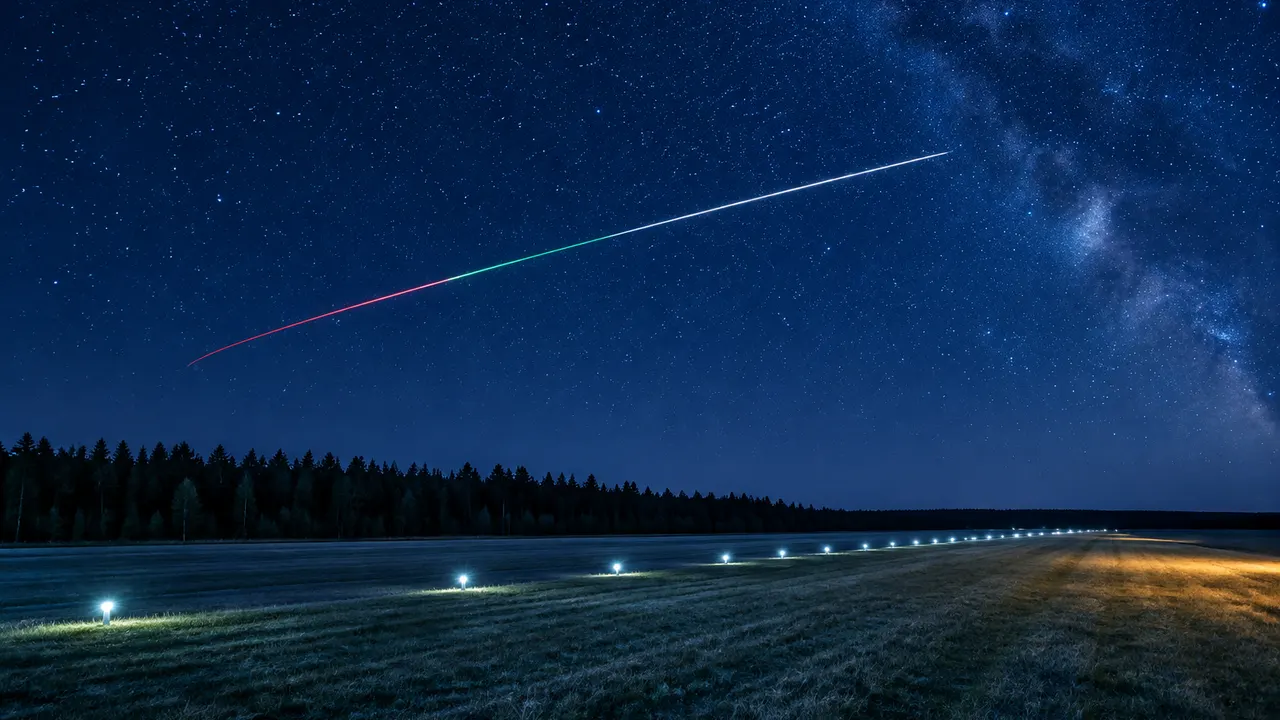
These pages are the reading half of the sky, the first stage of this site. Each follows a question or a distinct piece of aircraft history, with sources beside the claims they support.
The sourcing rule matters more than it sounds. Plenty of aviation writing repeats numbers with no traceable source. Here, figures name the regulator, manufacturer, scientific body or museum that publishes them. Where the familiar answer lacks a traceable source, the page explains that limit.
Where to start
Pick the group that matches whatever prompted the search. If it was something overhead, a trail across the sky or a bumpy flight, start with the first group. If you have a photograph and want to name the aircraft in it, or know what each part of it does, go to the second. If the question came from a booking, a baggage label or a flight tracker showing an odd four-digit number, the third group covers codes and runways.
How planes fly: lift, height, speed and turbulence
These five work as a set. Lift comes first, then the height airliners cruise at and why they climb so high, then speed, which makes more sense once the knot and the Mach number are clear. Turbulence closes the group and links back to the jet stream covered under speed.
Aircraft types, parts and history
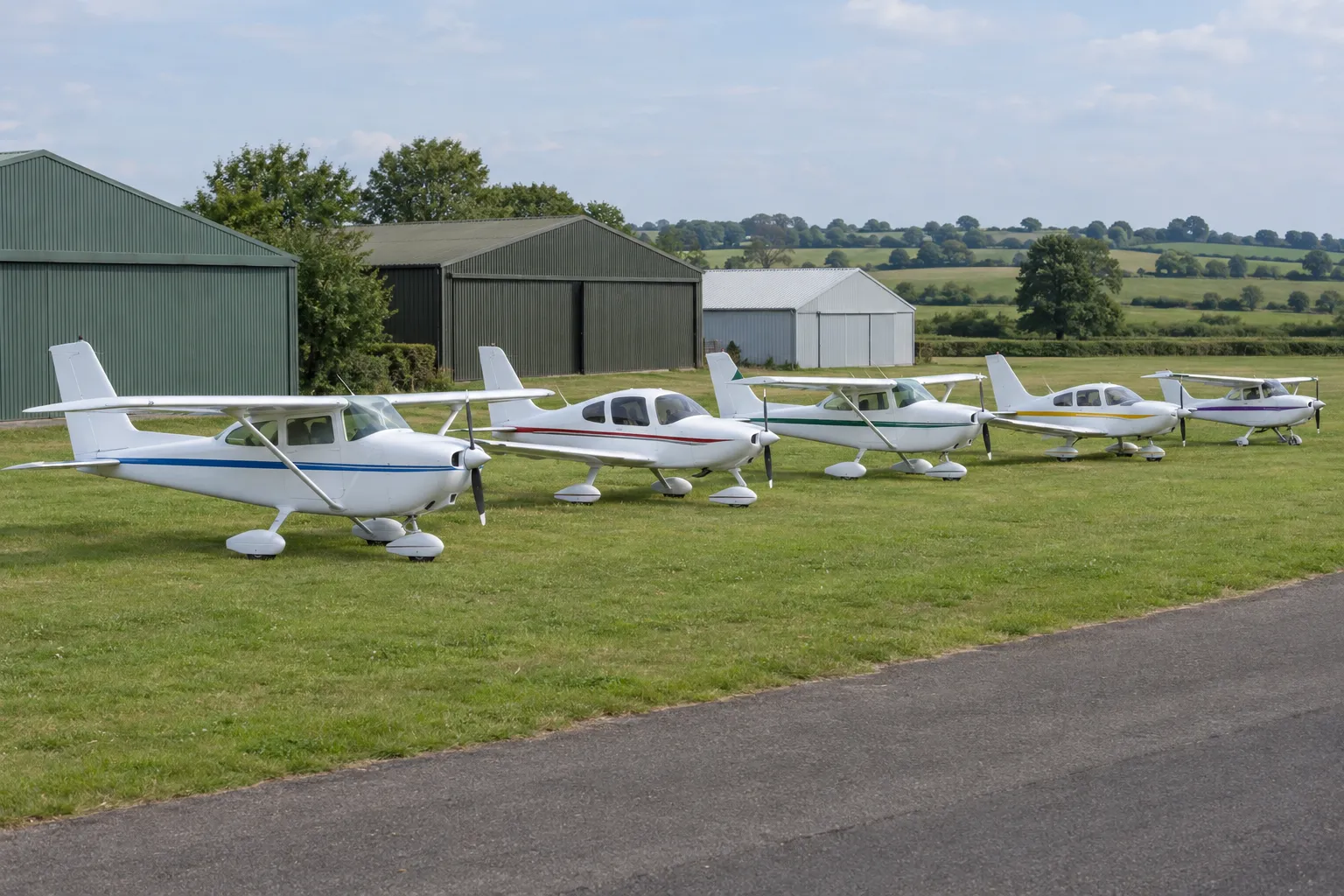
Start with the types page for the legal categories, aeroplane, rotorcraft, glider and the rest, then the parts page for what each surface does. The history pages are longer reads about single aircraft: the Spitfire, the Constellation and Concorde. The size page answers the record question three ways, because wingspan, weight and passenger capacity each name a different aircraft. Why planes are white is the odd one out: it sets out what is documented about aircraft paint and where the usual answer runs out of sources.
- The main types of aircraft
- A short history of the Spitfire
- The Lockheed Constellation
- Concorde: why it stopped and where it survives
- Widest, heaviest and biggest for passengers
- What each part of an aircraft does
- What a cockpit is
- Why planes are white
- Why planes leave white trails
Runways, airport codes and squawk codes
Three different things get called a code, and these pages keep them apart. An airport code identifies an airport, an aerodrome reference code is a design classification relating a runway to the aircraft it is intended for, and a squawk is the four-digit number set on a transponder. Runway numbers are a fourth system, and they give a direction. Plane spotting sits here because spotters meet all of these at the fence: the airport, the runway in use and the codes on a tracking app. To put a name to an aircraft you have seen, the aircraft identification guide covers registrations, type codes and callsigns.
- How runway numbers work
- Airport codes
- The aerodrome reference code
- Where to start plane spotting
- Squawk codes
Read them in any order. When you've finished, your aircraft picks up where these leave off: the photograph, and what can be done with it.