Why are planes white?
You'll find three confident answers to this everywhere: heat, inspection and resale. We went looking for a regulator or a manufacturer that publishes any of them, and came back with nothing.
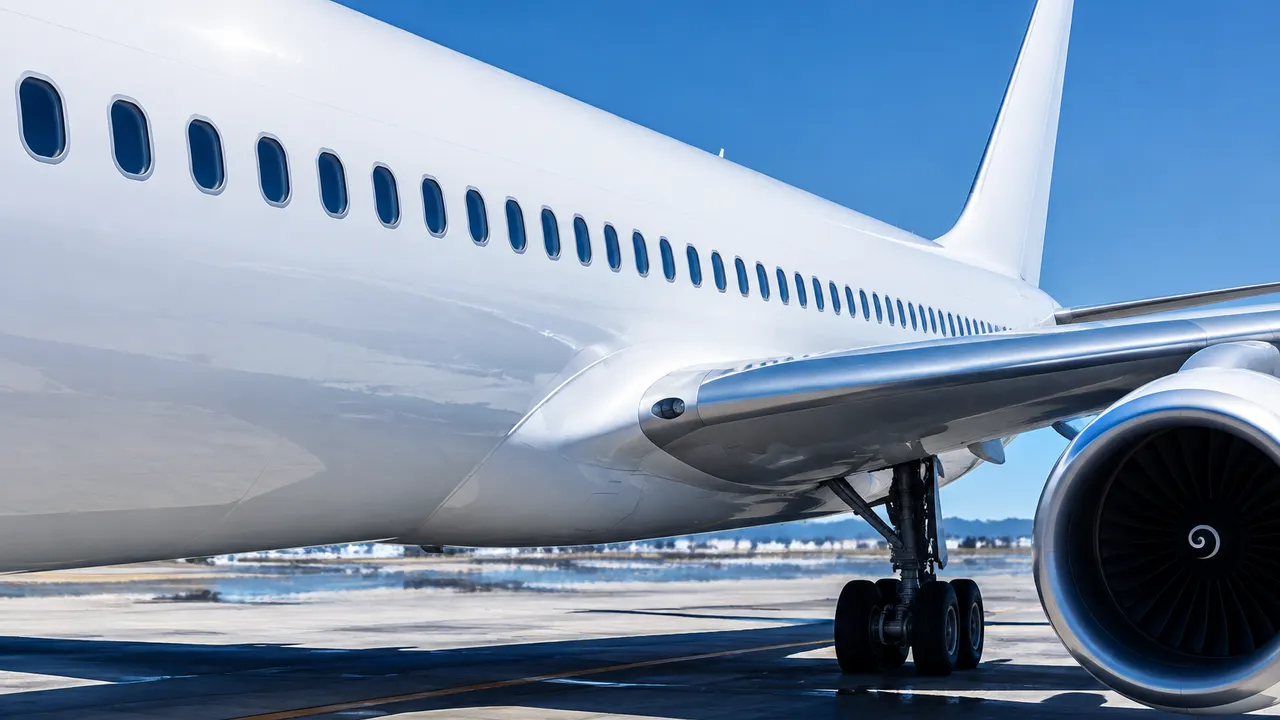
The three usual reasons are that white reflects the sun and keeps the airframe cooler, that damage shows up more clearly against plain white, and that a white aircraft is cheaper to keep looking right and easier to sell on. They're plausible. They may well all be true. But repetition isn't corroboration, and three people searching agency and manufacturer publications found no primary source stating any of them as the reason.
What is established
Spacecraft thermal control uses white coatings deliberately: NASA's small-spacecraft thermal control chapter notes that matte white paint has a low solar absorptivity, so it takes up little of the sun's heat.
What nobody publishes is the causal link: that these are the reasons a given fleet is painted the way it is. A livery is a commercial decision made by an operator, and operators don't tend to explain their paint.
What it means for a photograph
A white fuselage is a bright, high-key subject that blows out easily in hard midday sun and looks its best in low side light. That's covered properly in the plane spotting photography guide.
Everything else about the aircraft itself is in the types of aircraft and the wider set on the sky.