What are the main types of aircraft?
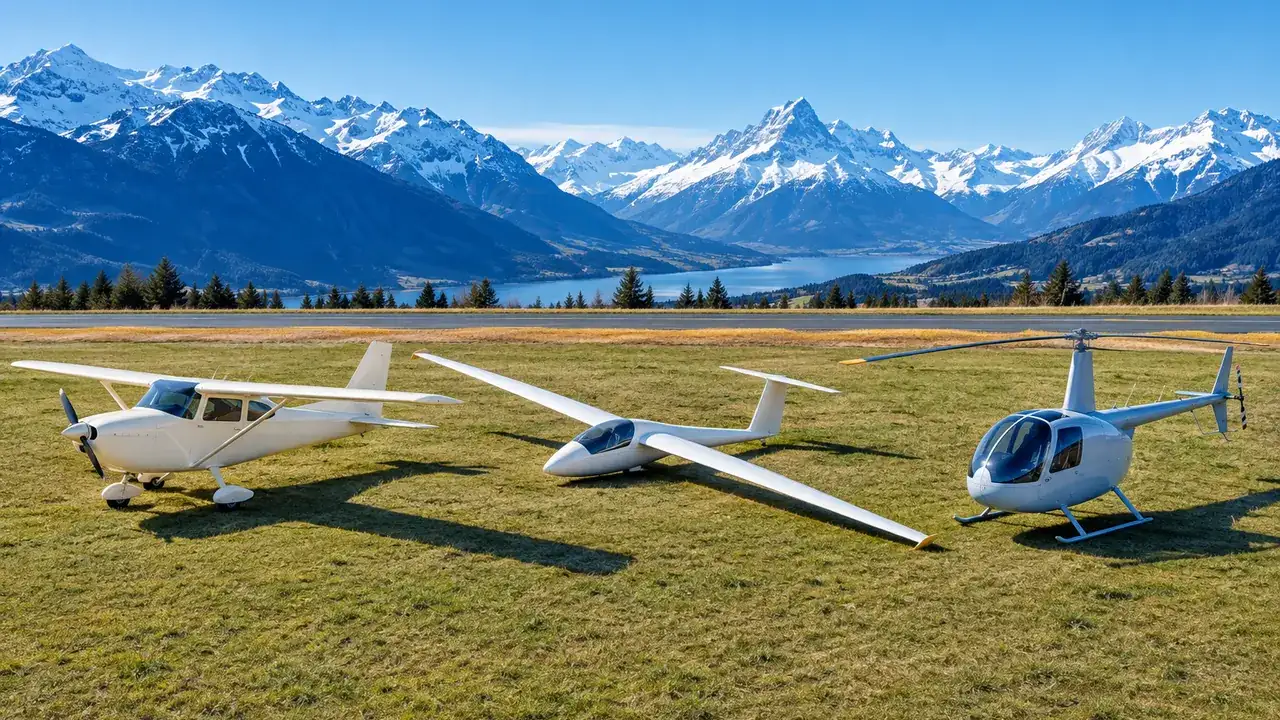
The main types of aircraft are aeroplanes, rotorcraft and gliders. The US federal regulations (14 CFR 1.1) tell them apart by one thing: where the lift comes from.
The main types of aircraft, as defined in law
The United States federal aviation regulations give the cleanest short definitions.
Aeroplanes
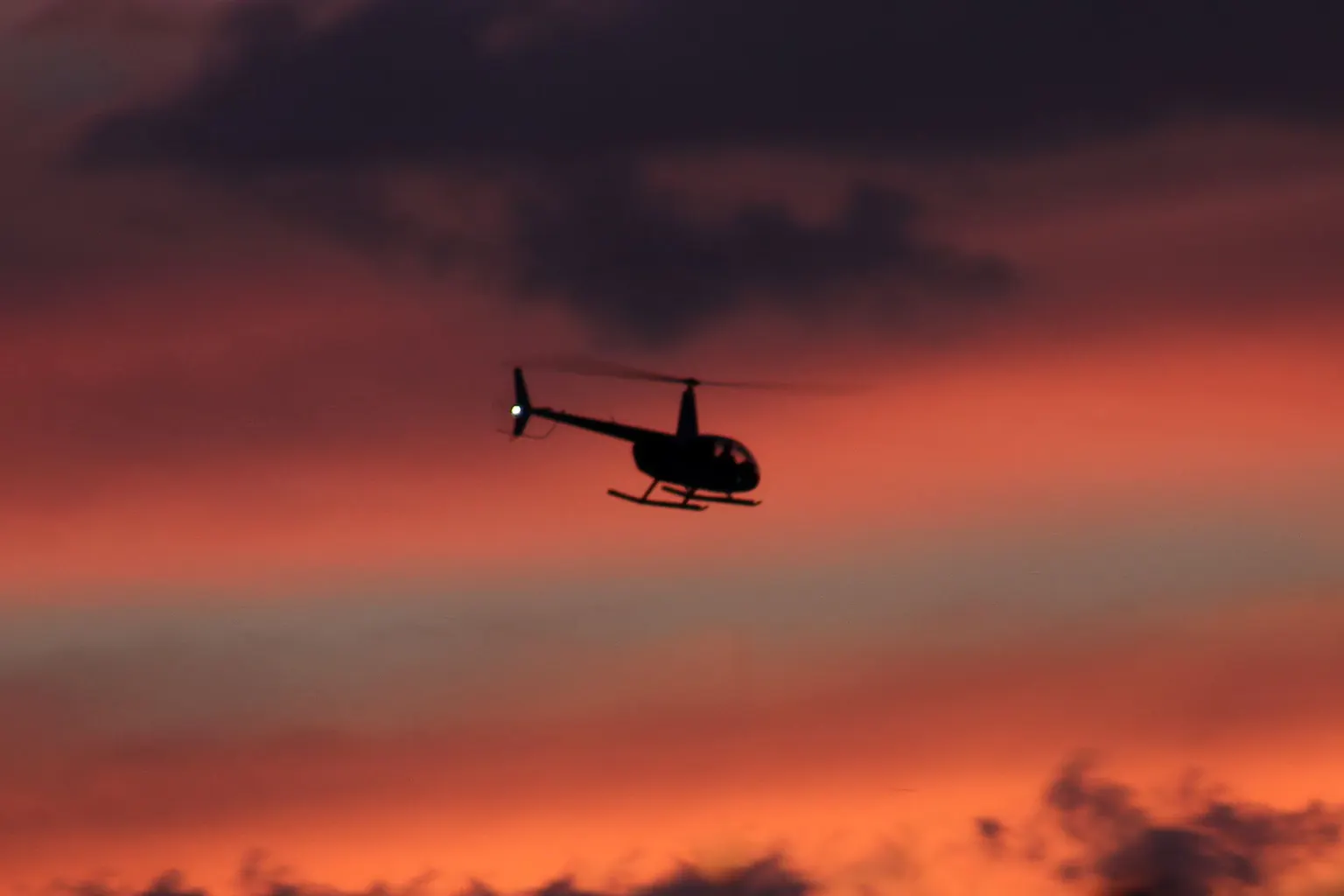
Rotorcraft, including helicopters
A rotorcraft, in the same section, is a heavier-than-air aircraft that depends principally for its support in flight on the lift generated by one or more rotors.
Gliders
A glider is supported the same way an aeroplane is, but its free flight doesn't depend principally on an engine. British law words it slightly differently. The Air Navigation Order 2016 defines a glider as a non-power-driven, heavier-than-air aircraft, deriving its lift in flight chiefly from aerodynamic reactions on surfaces which remain fixed under given conditions of flight, and then folds self-sustaining gliders and self-propelled hang-gliders in alongside it.
How UK law classifies aircraft
The Air Navigation Order 2016 puts every aircraft into one table, in Schedule 4. The first split is whether it is lighter or heavier than air, and the second is whether it is power driven.
| Group | Power | Classes |
|---|---|---|
| Lighter than air | Non-power driven | Free balloon, captive balloon |
| Lighter than air | Power driven | Airship |
| Heavier than air | Non-power driven | Glider, kite |
| Heavier than air | Power driven | Aeroplane (landplane, seaplane, amphibian, self-launching motor glider), powered lift (tilt rotor), rotorcraft (helicopter, gyroplane) |
The schedule then adds that an aircraft intended to be operated with no pilot on board is further classified as unmanned, and that unmanned aircraft include unmanned free balloons and remotely piloted aircraft.
The CAA's aerodrome standard, CAP 168, draws the line between an aeroplane and a helicopter at the wing. Its glossary has the aeroplane deriving its lift chiefly from surfaces which remain fixed under given conditions of flight, and the helicopter supported by the reactions of the air on one or more power-driven rotors on substantially vertical axes.
How spotters tell aircraft types apart
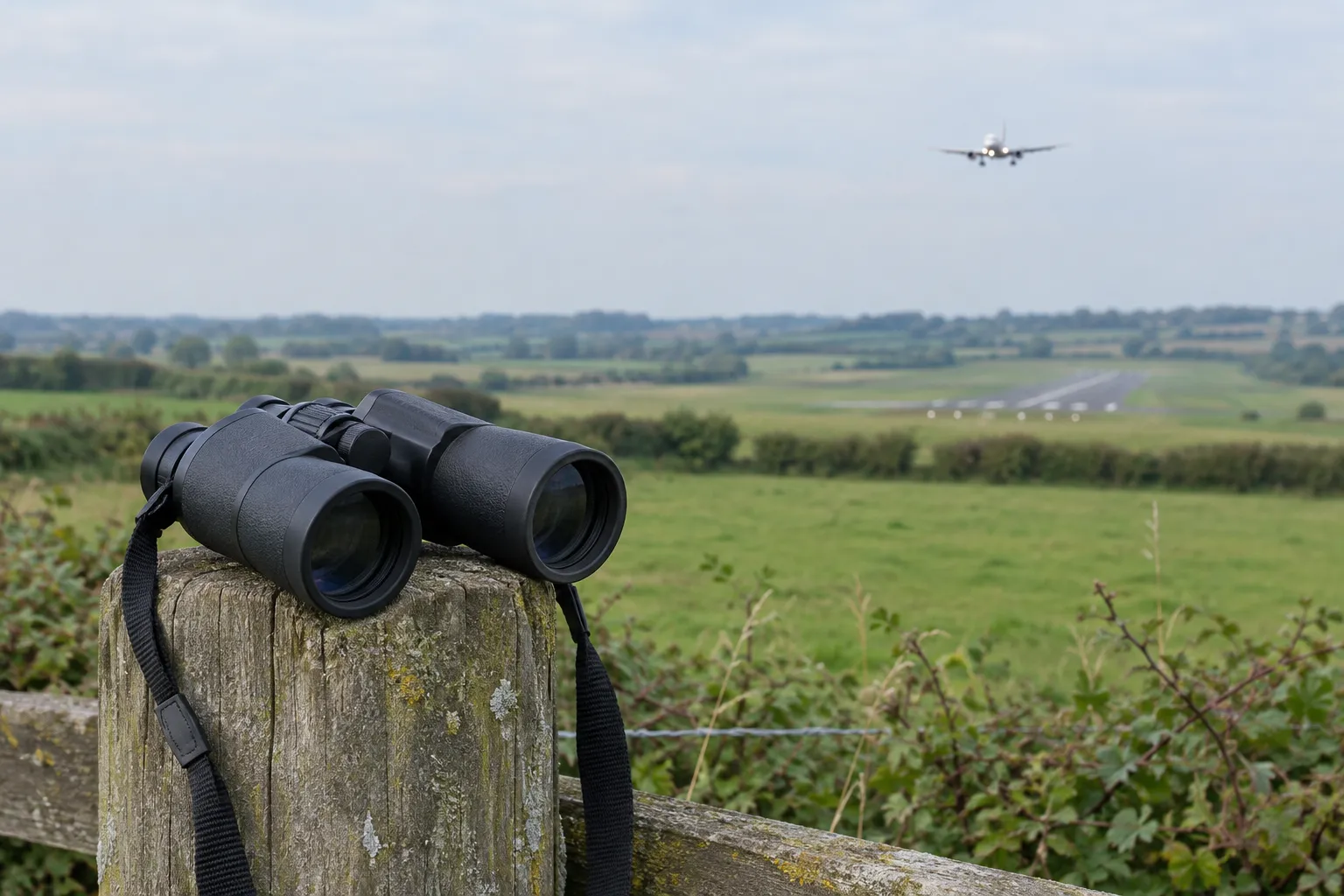
Not by those definitions, most of the time. Out at the fence the sorting is by job and by silhouette: the big fixed-wing jets carrying passengers, the light singles used for training and touring, the military types built around a mission, and the rotorcraft that trade speed for being able to land almost anywhere. Each family holds its shape, which is why a type can be named from a long way off.
The wings are different because the work is different, which comes straight out of how planes fly. Whatever the family, they all still need somewhere to land, and that's what a runway is. More on the sky.
Once you can tell the types apart, choosing the one to print gets easier, and gifts for plane lovers picks up from there. Plane gifts covers choosing when you cannot name the aircraft, and aviation gifts sorts the rest by recipient, including aviation gifts for men.