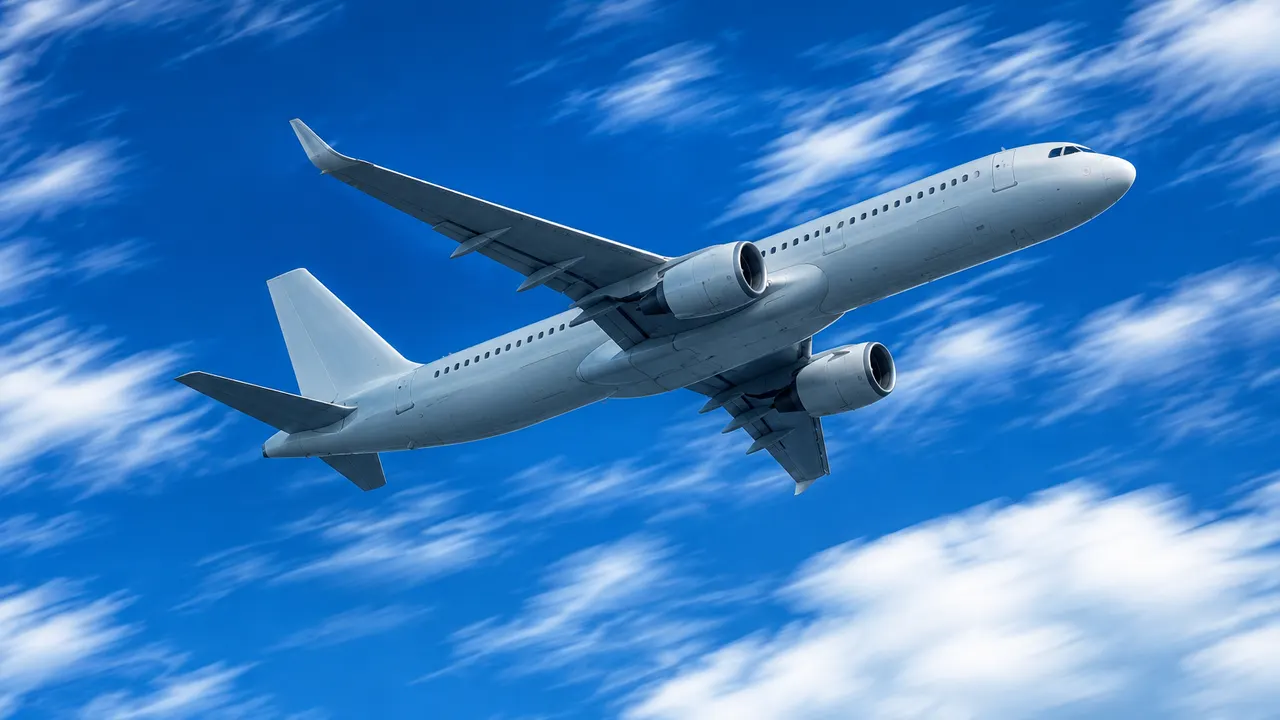
How high do planes fly?
Airbus describes modern passenger aircraft cruising at about 10 to 13 kilometres, roughly 33,000 to 43,000 feet. That is a useful scale, not a height for every plane: aircraft performance, weight, weather and clearance matter.
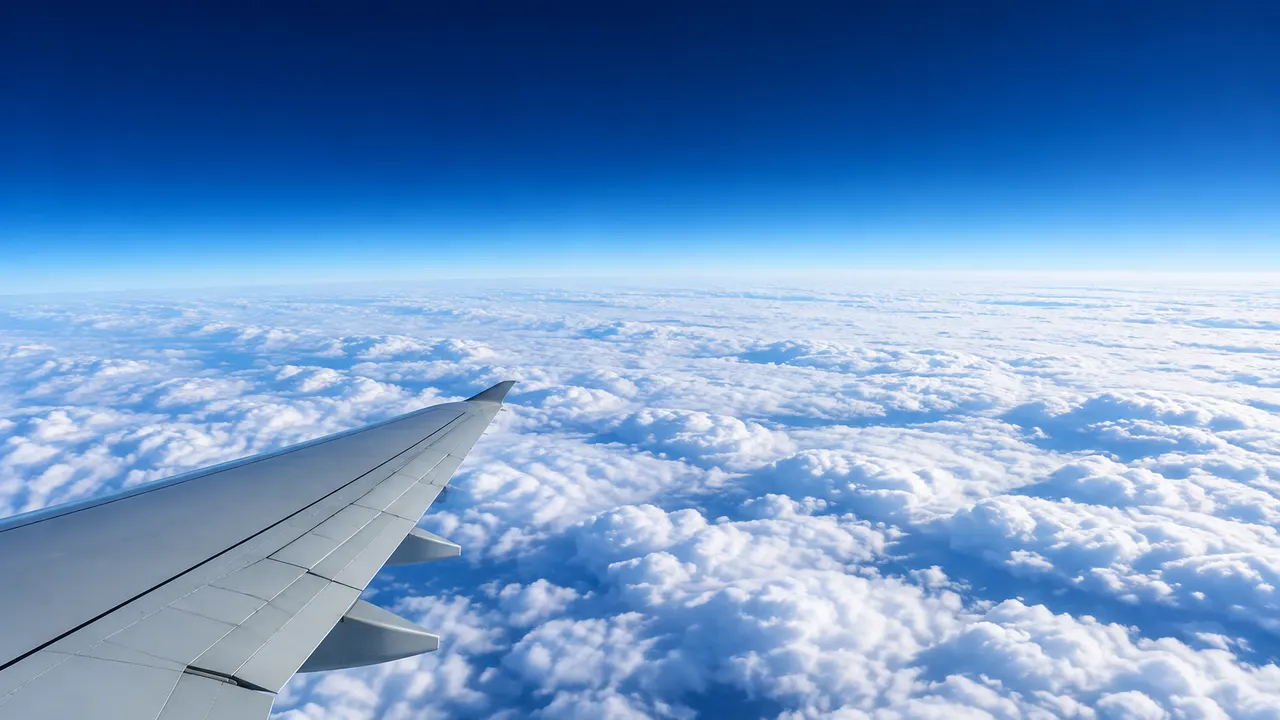
Airliners and light aircraft fly at different heights
Airbus’s cabin-air explanation describes modern passenger flight at 10 to 13 kilometres. Converting those figures gives about 33,000 to 43,000 feet. They describe the scale of high-altitude passenger operation, not an instruction that every flight use that range.
A light training aircraft is a different comparison. Textron lists a 14,000-foot service ceiling for the Cessna Skyhawk. A service ceiling is not its usual cruising height or a recommendation to fly there. Its actual flight may be much lower; there is no sourced single typical range here for all light aircraft.
What the FL290–410 band means
The FAA describes reduced vertical separation minimum, or RVSM, as a change from 2,000-foot to 1,000-foot vertical separation in designated high-altitude airspace. Its altitude-assignment rules distinguish RVSM aircraft from non-RVSM aircraft and provide separation above FL410 too. FL410 is therefore not a universal ceiling, and the band does not establish a typical cruising altitude.
A flight level is based on a standard pressure setting rather than a measurement of clearance above the terrain. Reading FL350 as roughly 35,000 feet gives the scale; it does not mean the aircraft is exactly that far above the ground below it.
Why go up there
Not for the view. The FAA's advisory circular on high altitude operations is blunt about it: the efficiency of the jet engine at high altitudes is the primary reason for operating in the high-altitude environment, because specific fuel consumption falls as the outside air temperature falls. The same document notes that temperature in the troposphere drops about 2 degrees Celsius per 1,000 feet, and that the troposphere itself reaches roughly flight level 350 near the poles and flight level 650 over the equator.
Efficiency is one consideration, not a rule that a jet climbs indefinitely until the air is thin enough. Performance limits, weather and air traffic constraints also affect the chosen level. Light-aircraft operations have different requirements; an unpressurised aircraft cannot be assigned an airliner's altitude simply because the airspace exists.
The altitude record and the UK transition altitude
The official altitude record for an aircraft is 37,650 metres (123,523 feet), set on 31 August 1977 by Alexandr Fedotov in a modified MiG-25, according to Guinness World Records. It is a long way above any passenger flight. Nearer the ground, the UK's published transition altitude is 3,000 feet except in or beneath certain airspace, where it is 6,000 feet for the London TMA and 5,000 feet for the Manchester TMA (NATS AIP, edition dated 14 May 2026). Above it, height is given as a flight level, measured from the standard pressure of 1013.25 hPa. The largest aeroplane in the world covers the other end of the scale.
Height explains much of the rest of the sky. It's why speed gets quoted as a Mach number rather than in miles per hour, and it's where the trails come from in why planes leave white trails.