What is turbulence?
Turbulence is rough, irregular air that an aircraft happens to be flying through. It's a property of the atmosphere, not a fault with the aeroplane.
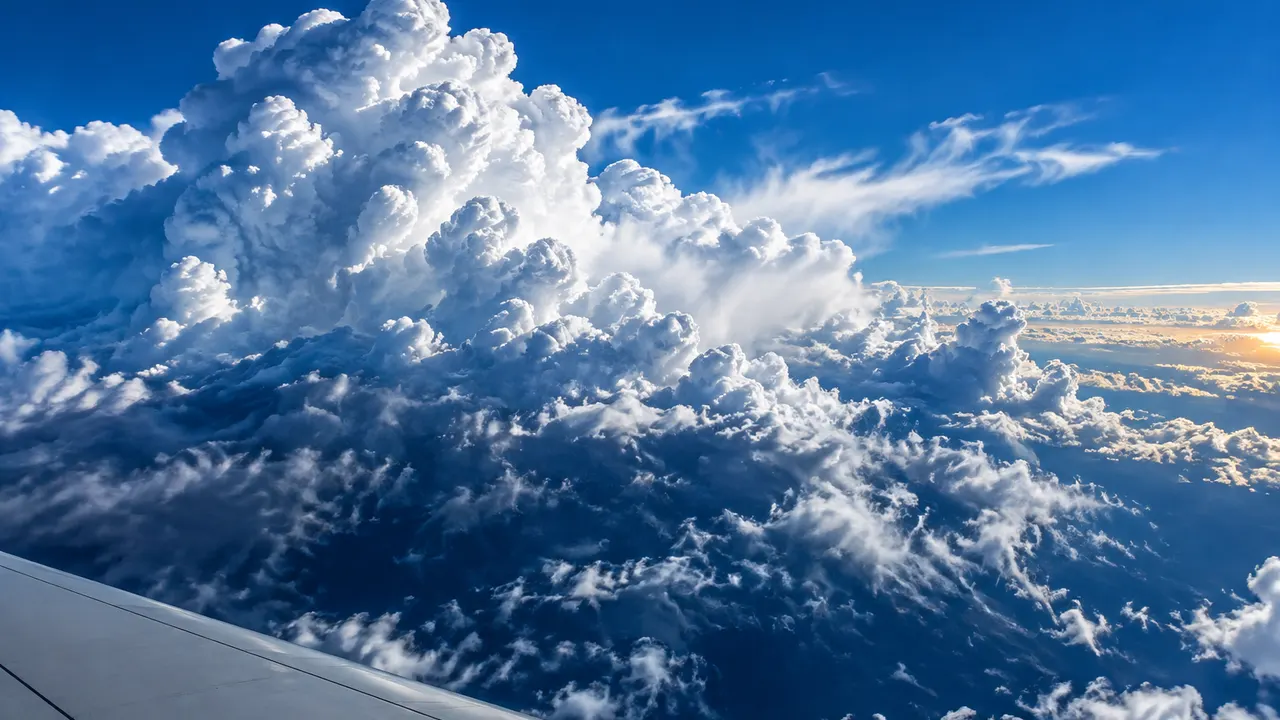
The kind that gets talked about most is clear air turbulence, because it arrives with no cloud to warn you. The FAA describes it as a phenomenon associated with high-altitude winds that occurs where no clouds are present and can take place at any altitude (normally higher than 15,000 ft above ground level), usually developing in or near the jet stream where temperature changes quickly over a short distance.
The same passage lists what causes it: wind shear, convection currents, mountain waves, strong low pressures aloft, and other obstructions to normal wind flow. It's stronger on the polar side of the jet, and worse in winter. And it's hard to forecast, which is why pilot reports from aircraft already up there are one of the better sources of warning.
The part that reassures people
Not the bumps themselves, but what they are. Rough air is the atmosphere doing ordinary things, and the crew's answer is usually a change of altitude or a reduction in speed to find smoother air. The jet stream that causes so much of it is the same feature that pushes an eastbound flight along, described in how fast planes fly.
If you'd rather think about the calm end of the same sky, how high planes fly covers why the cruise sits above most weather in the first place, and the sky holds the rest.