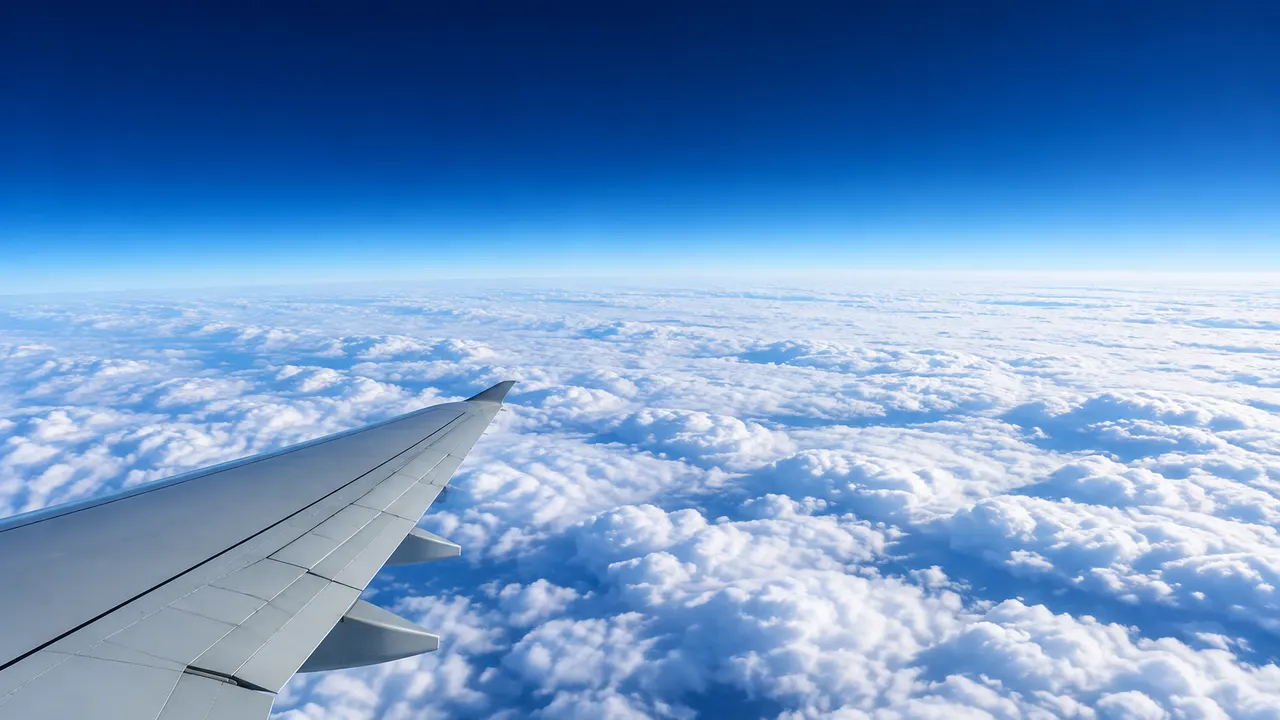
How do planes fly?
A wing holds an aircraft up by turning the air that flows past it. You'll see that explained two different ways, and NASA's position is that both are right.
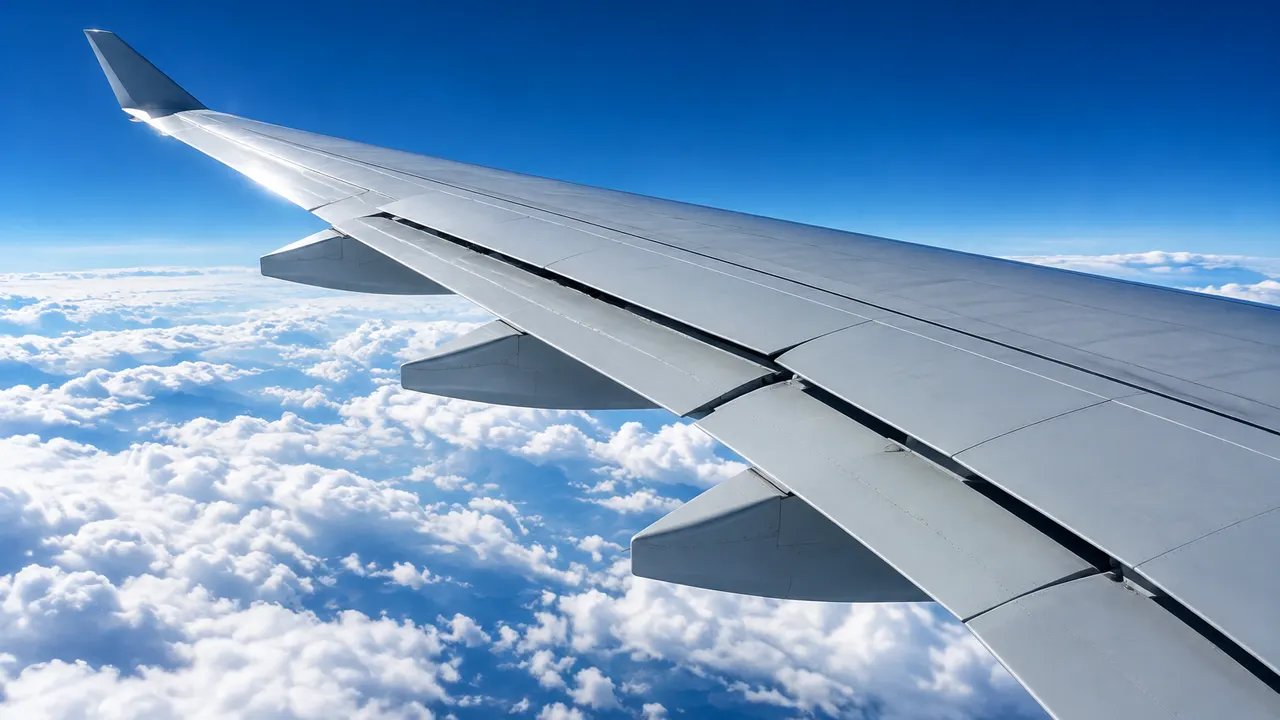
The first explanation is about pressure. Air moving over the curved upper surface of the wing goes faster than the air underneath, pressure above the wing drops, and the difference pushes the wing up. The second is Newton's third law. The wing is angled so that it deflects air downwards, and the air pushes back.
People argue about which one is the real reason, usually with some heat. They needn't. NASA Glenn's own page on the two accounts settles it: both of these equations are satisfied in the generation of lift; both are correct. The same page notes that both the lower and the upper surface contribute to turning the flow, which is why arguments that pick one surface tend to fall over.
What follows from it is the useful part. Lift builds with speed and with the angle the wing meets the air, so an engine's job is mostly to keep enough air moving over the wing to hold the aircraft up. Wings that do different work look different, which is the whole of the types of aircraft question. And the air itself gets thinner and colder with height, which is why how high planes fly turns out to be an economics answer rather than a physics one.
The rest of the sky follows the same thread: speed, weather, the ground.
Somebody who wants to understand the aircraft they love is in gifts for plane lovers territory: that page starts from the type and the photograph rather than from the physics.