The aviation reference
Explore aircraft & flight.
Aircraft, airports and the stories behind a favourite photograph. Find an explanation or something to make with your own image.
The sky
30 guides & references
-
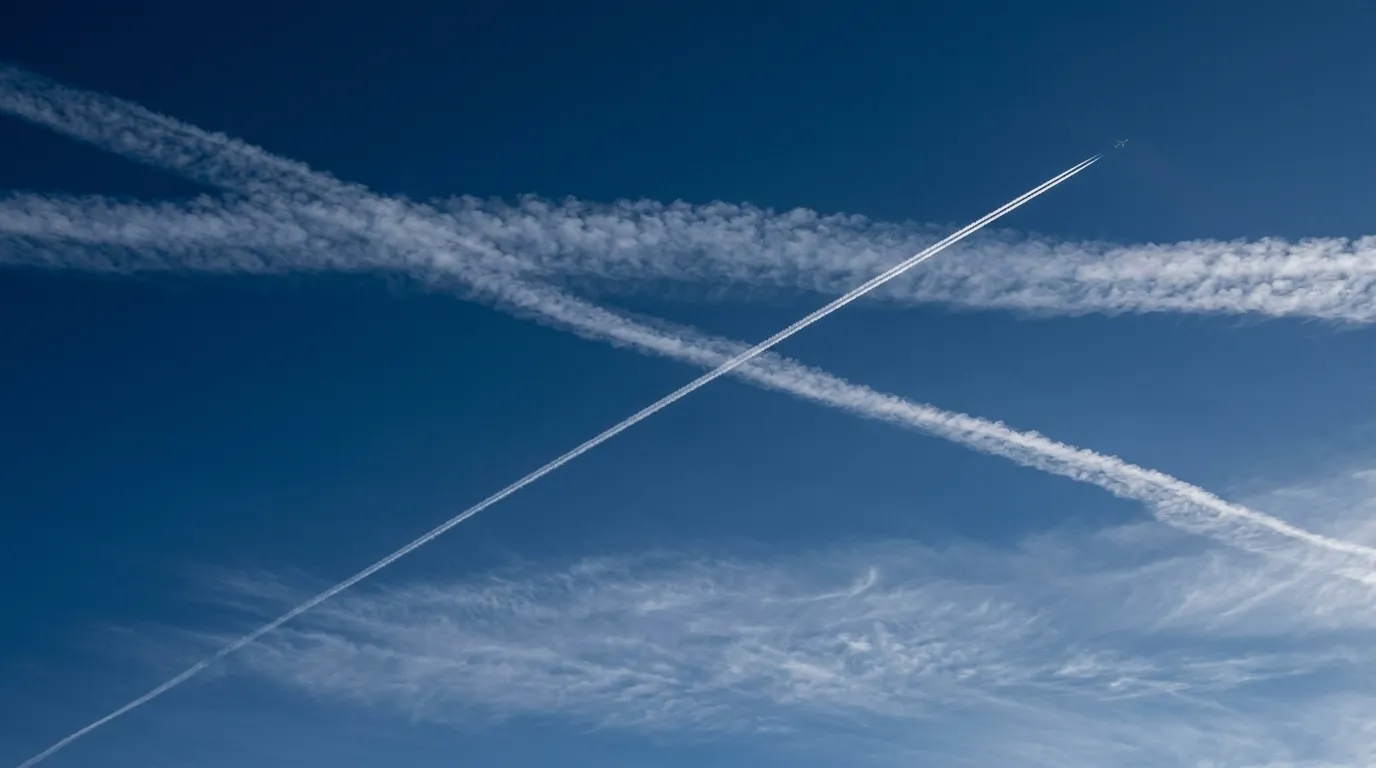
The sky: aeroplane facts with their sources
Sourced answers about flight, aircraft, airport terminology and aviation history, free to read.
-
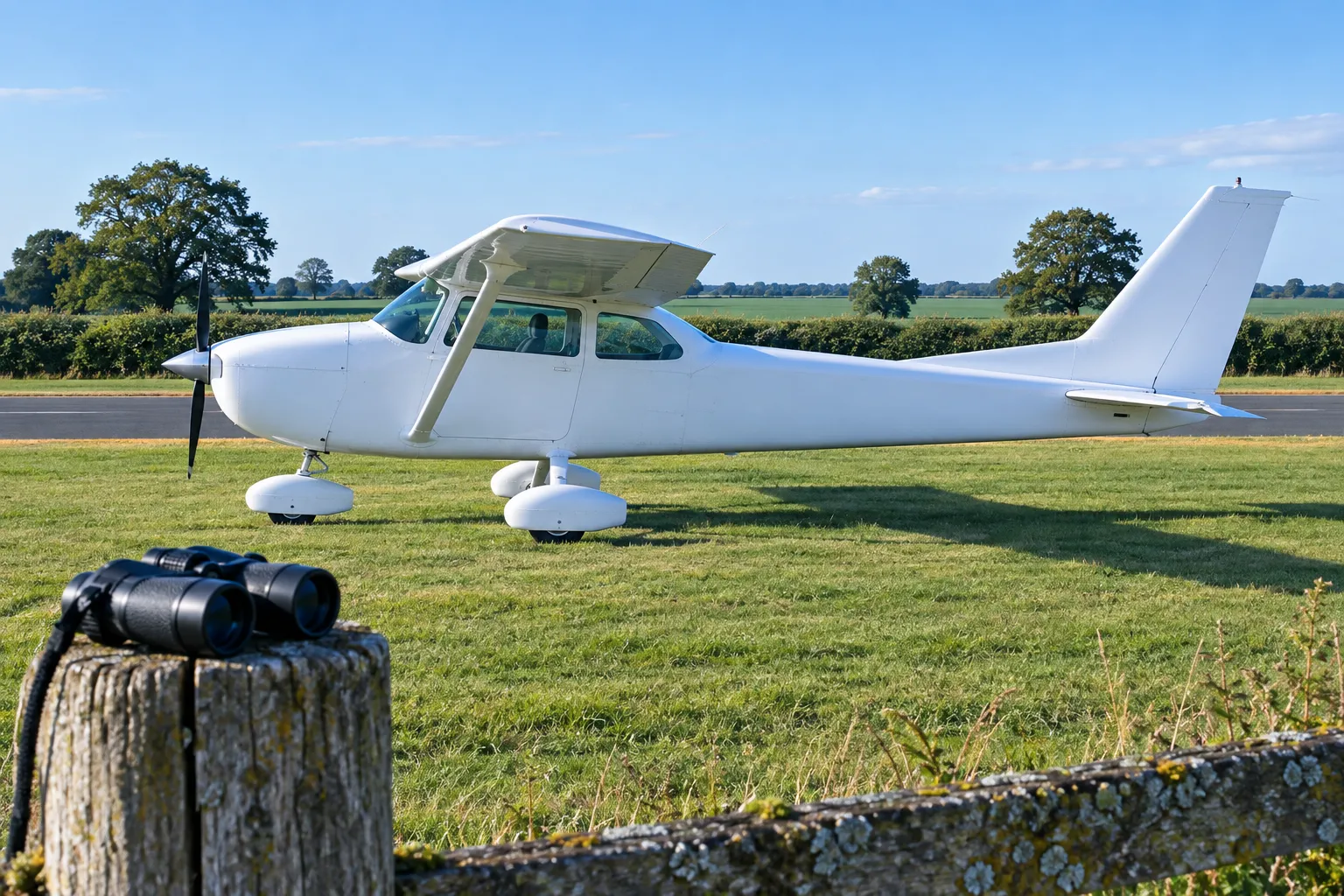
Plane identification: reading an aircraft's markings
Identifying an aircraft starts with the markings, not the shape. A UK civil aircraft carries a G- registration that anyone can search on the CAA's G-INFO register, and the name a…
-
Aviation questions, answered.
Answers to the things people look up after something goes over, from how aircraft fly to the history and codes behind them. Every number here names its source.
-
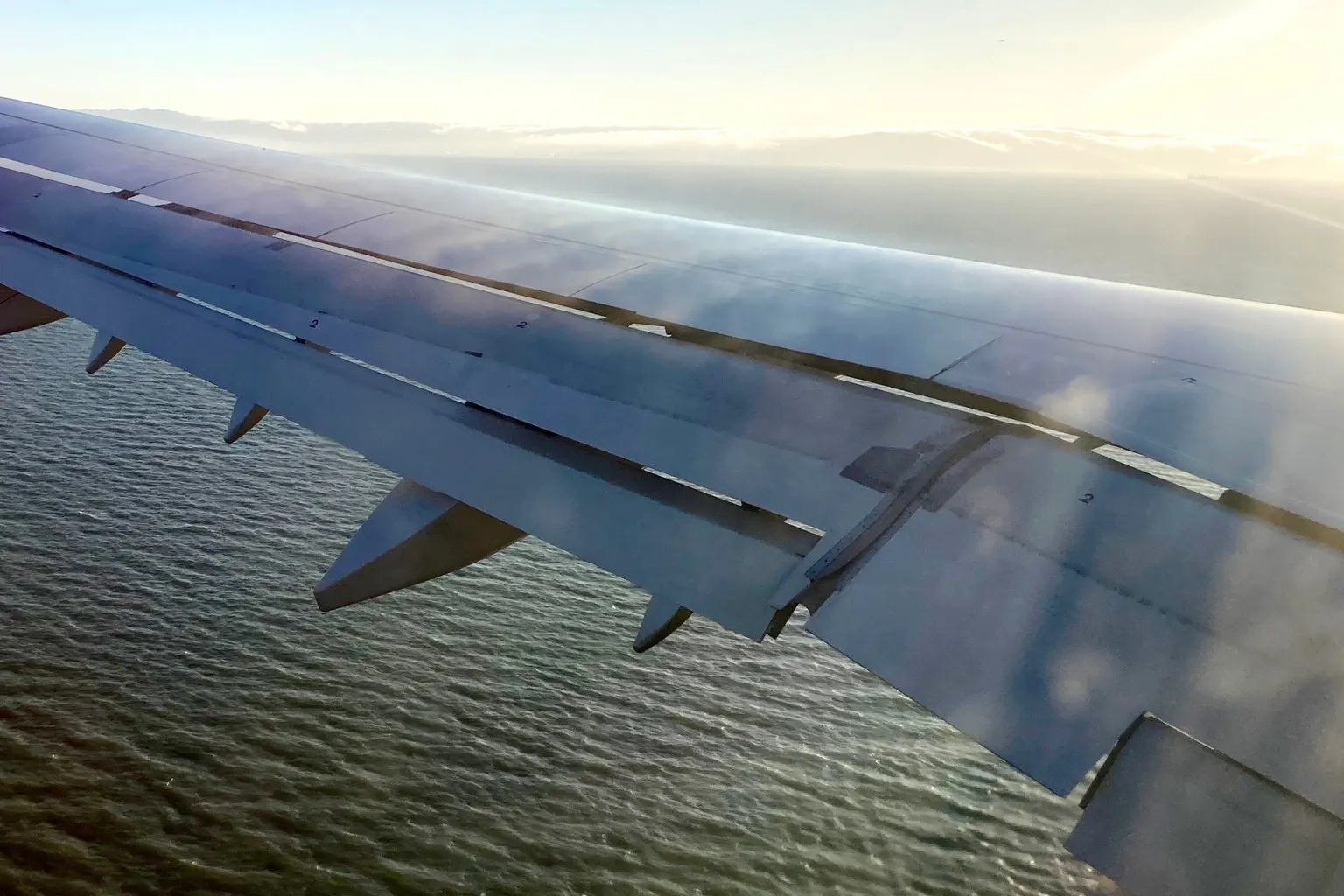
How do planes fly?
A plane flies because its wings turn the air flowing past them, which holds the aircraft up. That gets explained two ways, by pressure and by Newton's third law, and NASA says both are…
-

How high do planes fly?
Passenger jets cruise at about 10 to 13 kilometres, according to Airbus. That is roughly 33,000 to 43,000 feet, or 6 to 8 miles up. It is a scale, not a set height for every plane,…
-
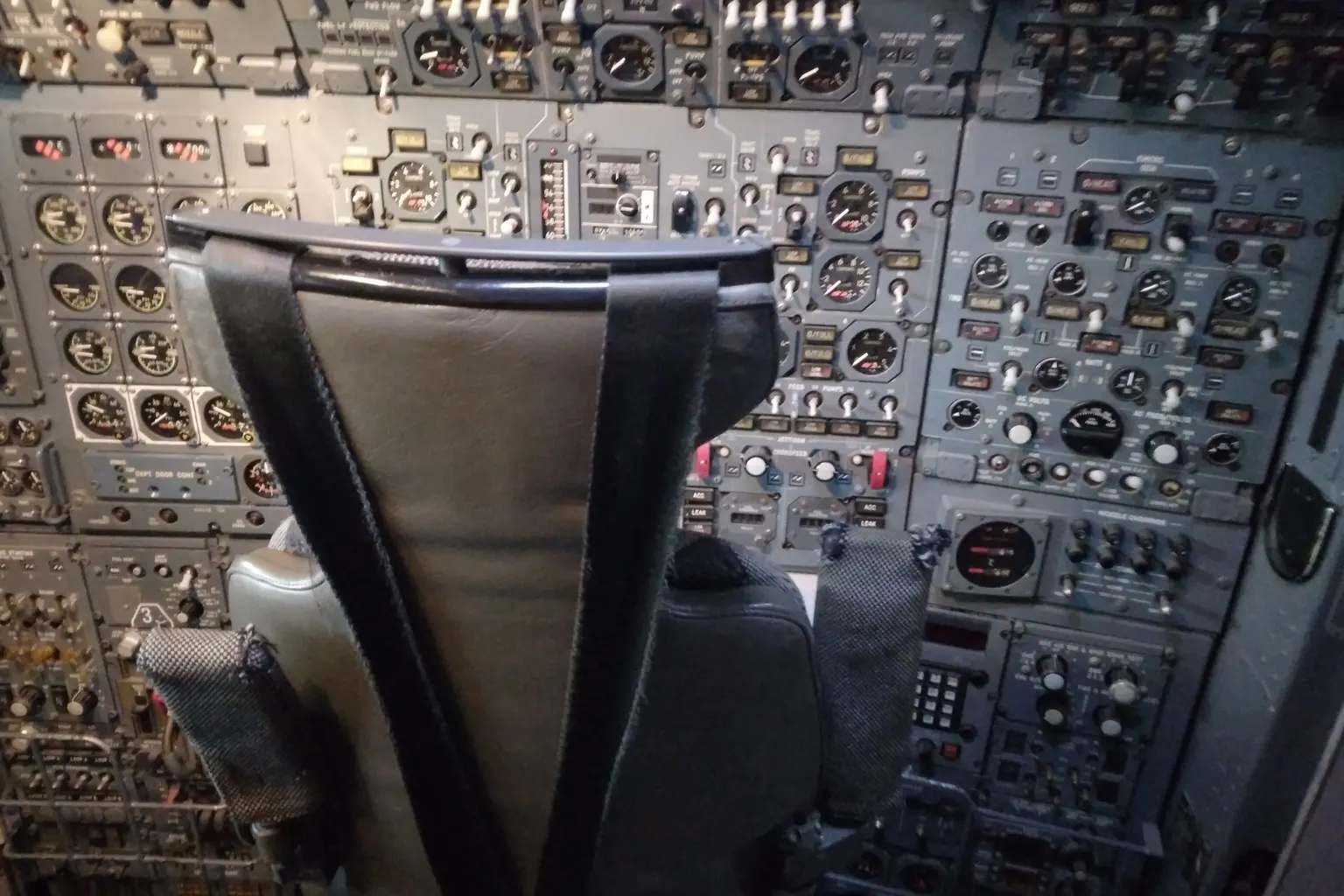
How fast do planes fly?
Today's larger airliners cruise at roughly 600 mph, about 80 per cent of the speed of sound, according to NASA. That works out at about 520 knots, or 965 km/h.
-
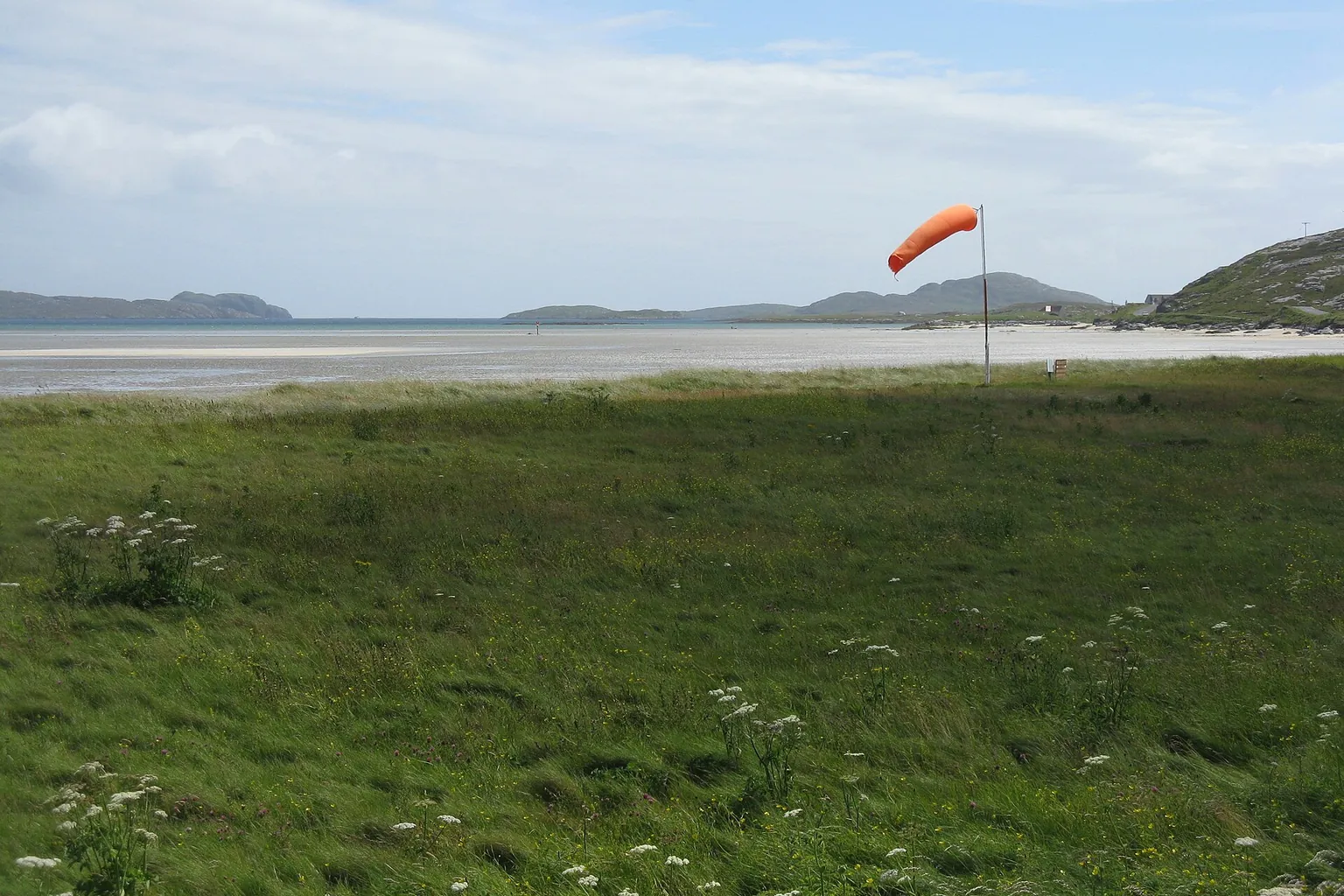
What is a knot in aviation?
A knot is one nautical mile per hour, and the international nautical mile is exactly 1,852 metres. Both figures are fixed by agreement, not by measurement.
-
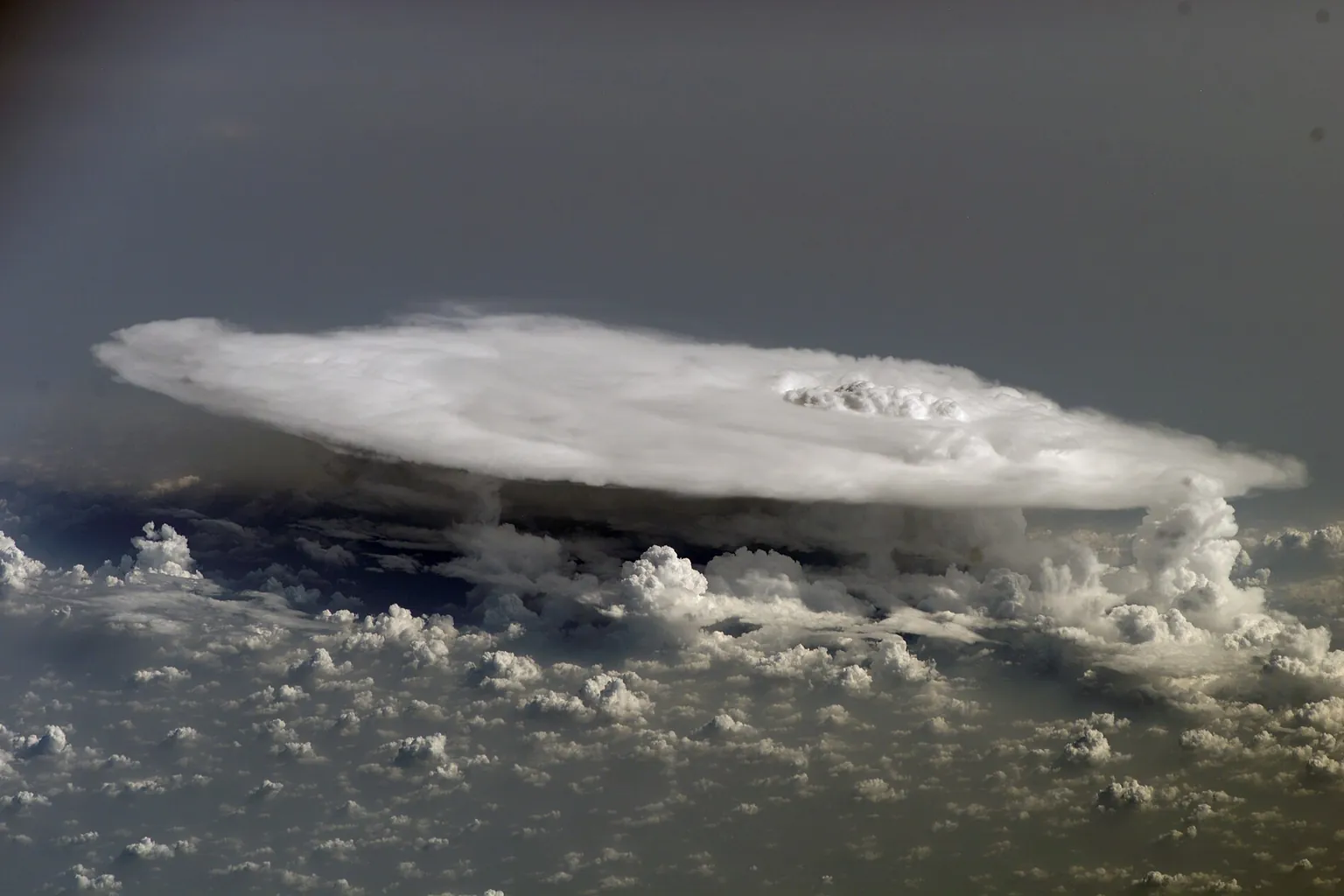
What is turbulence?
Turbulence is rough, irregular air that an aircraft happens to be flying through, a property of the atmosphere and not a fault with the aeroplane. The FAA says the clear-air kind…
-
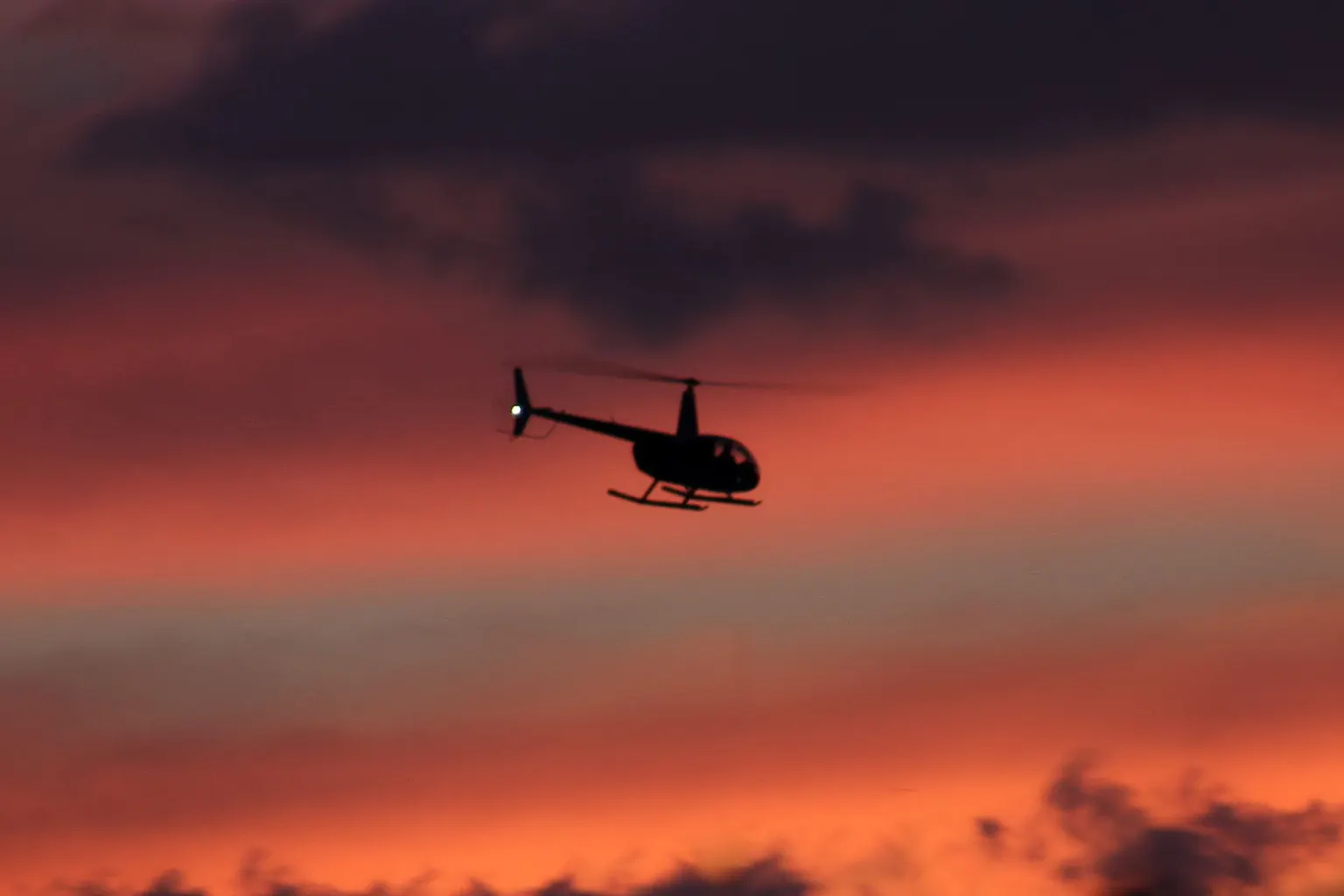
What are the main types of aircraft?
The main types of aircraft are aeroplanes, rotorcraft and gliders. The US federal regulations (14 CFR 1.1) tell them apart by one thing: where the lift comes from.
-
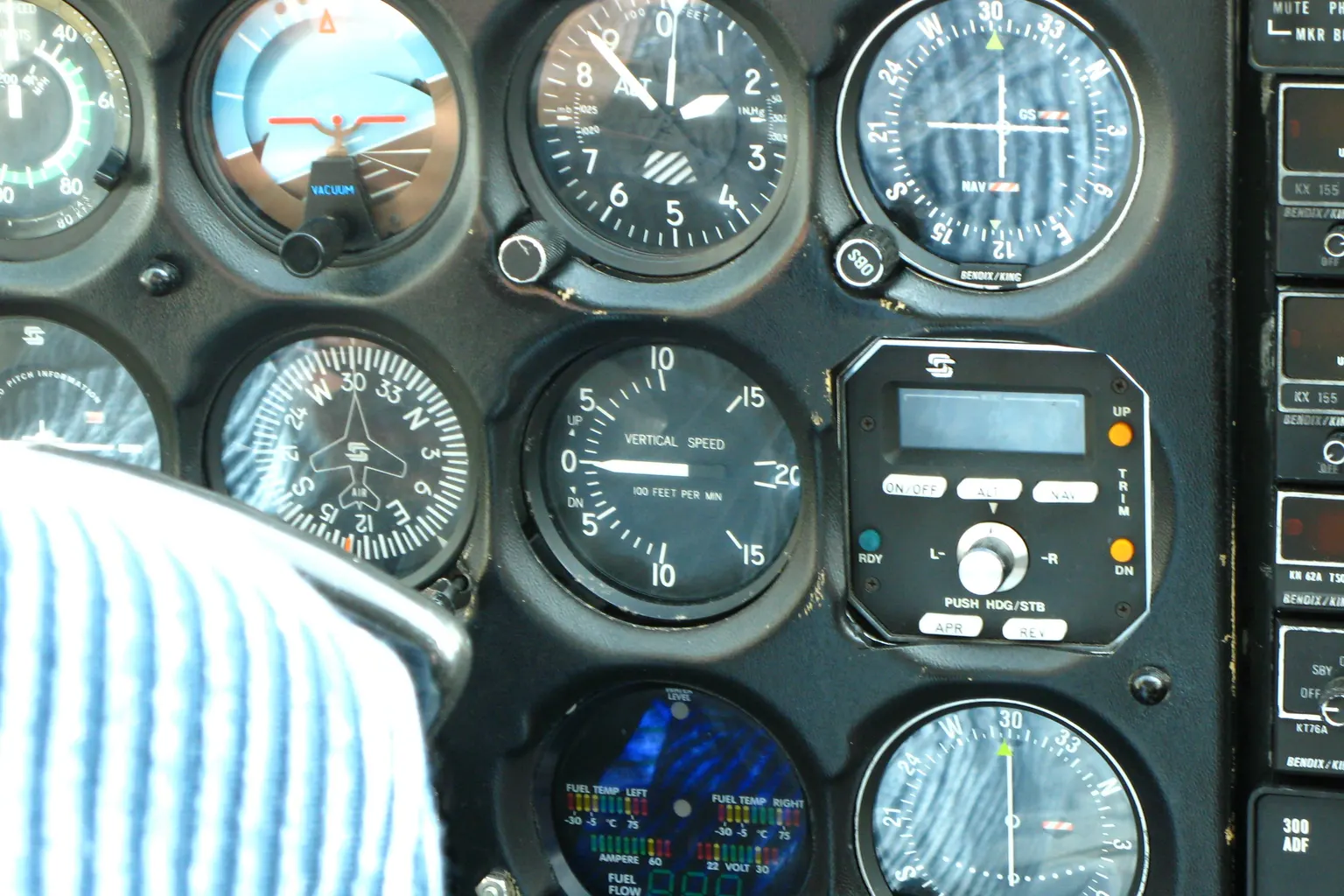
What is an aeroplane cockpit?
The aeroplane cockpit, called the flight deck on larger aircraft, is the compartment at the front where the flight crew sit and fly the thing.
-
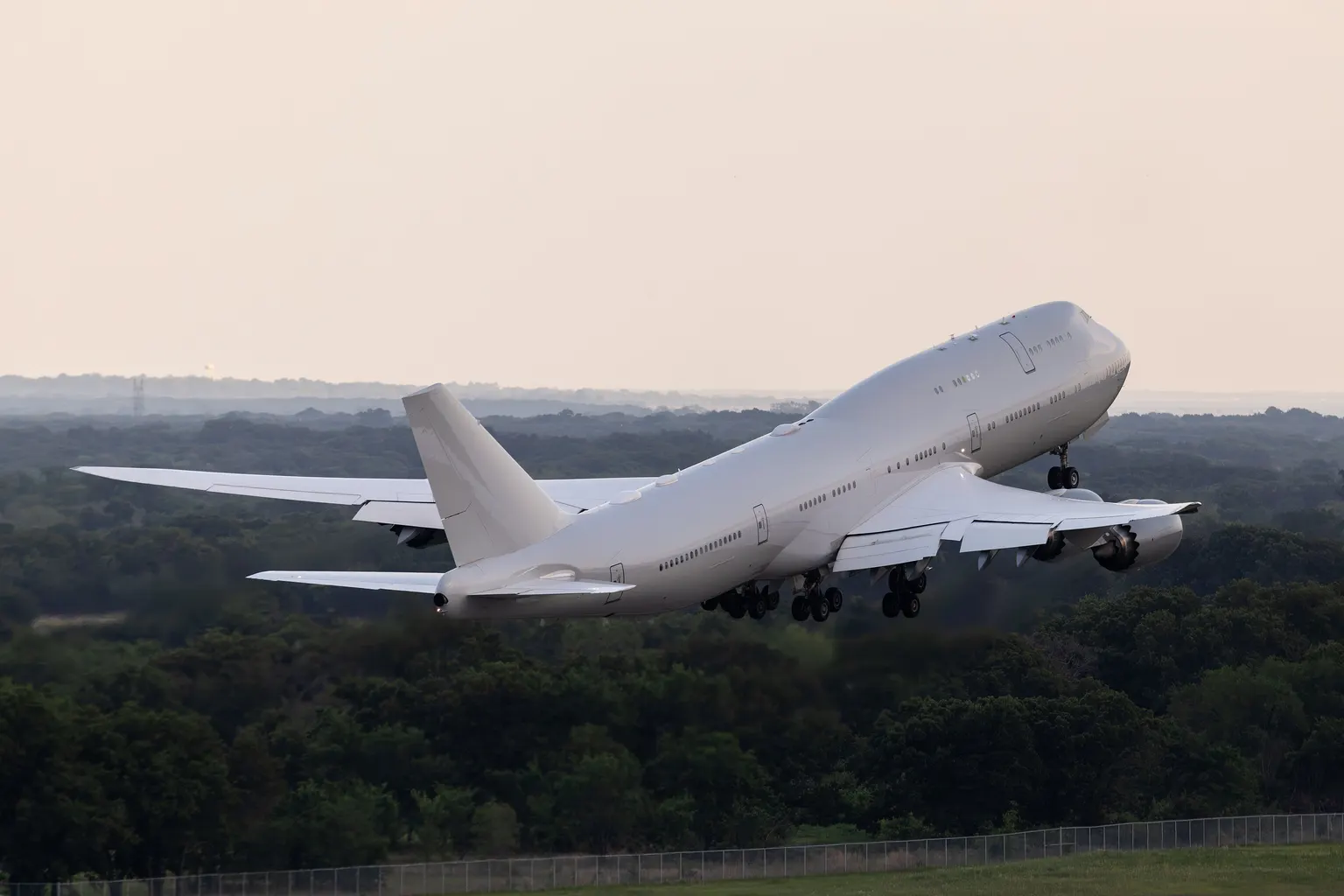
Why are planes white?
The usual answer is heat, damage inspection and resale: white reflects sunlight, shows damage clearly and is cheaper to keep looking right. We found no regulator or manufacturer that…
-
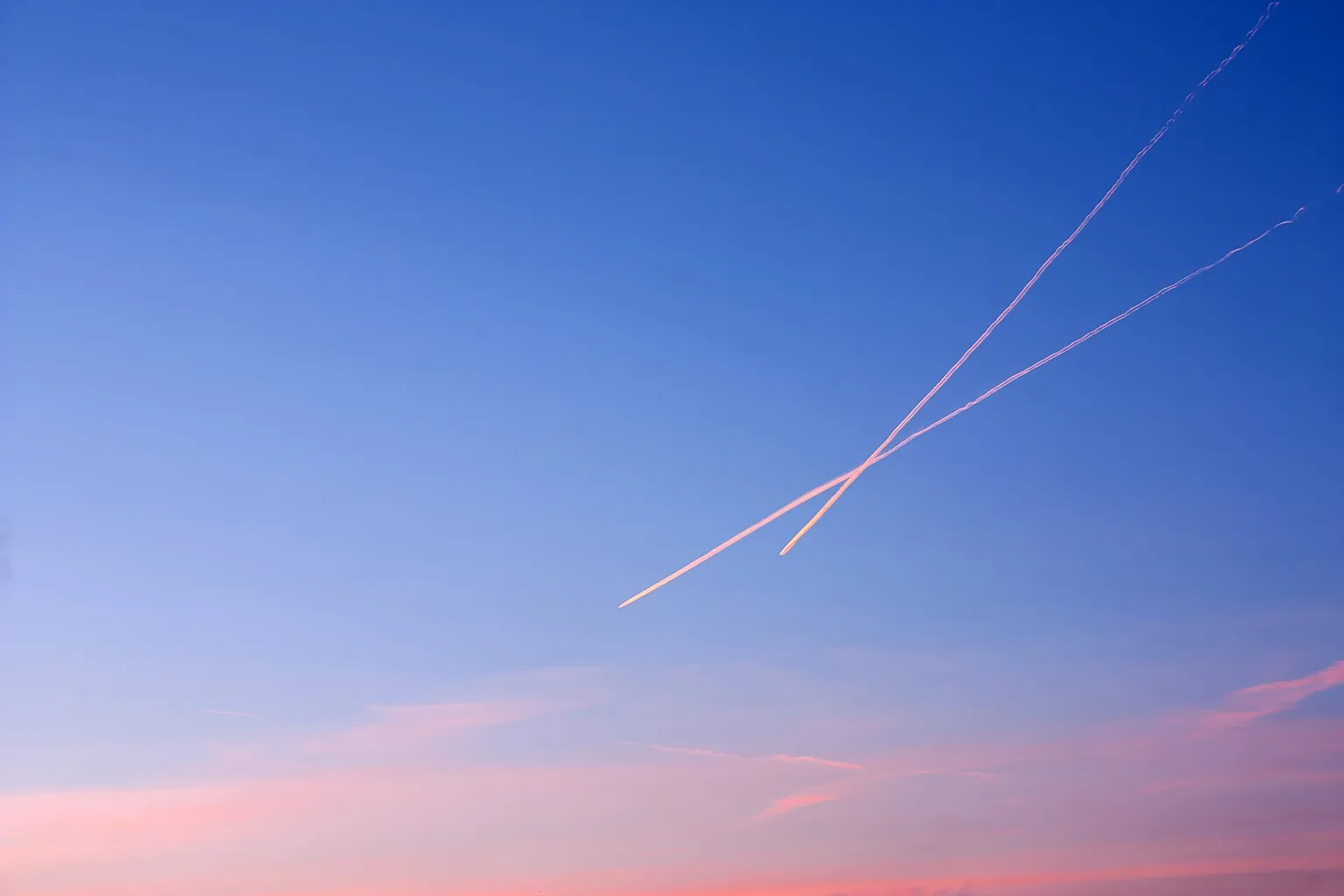
Contrails: why planes leave white trails
Contrails, short for condensation trails, are the white lines aircraft leave across the sky. NOAA's description is about as plain as it gets: they form when water vapour from an…
-
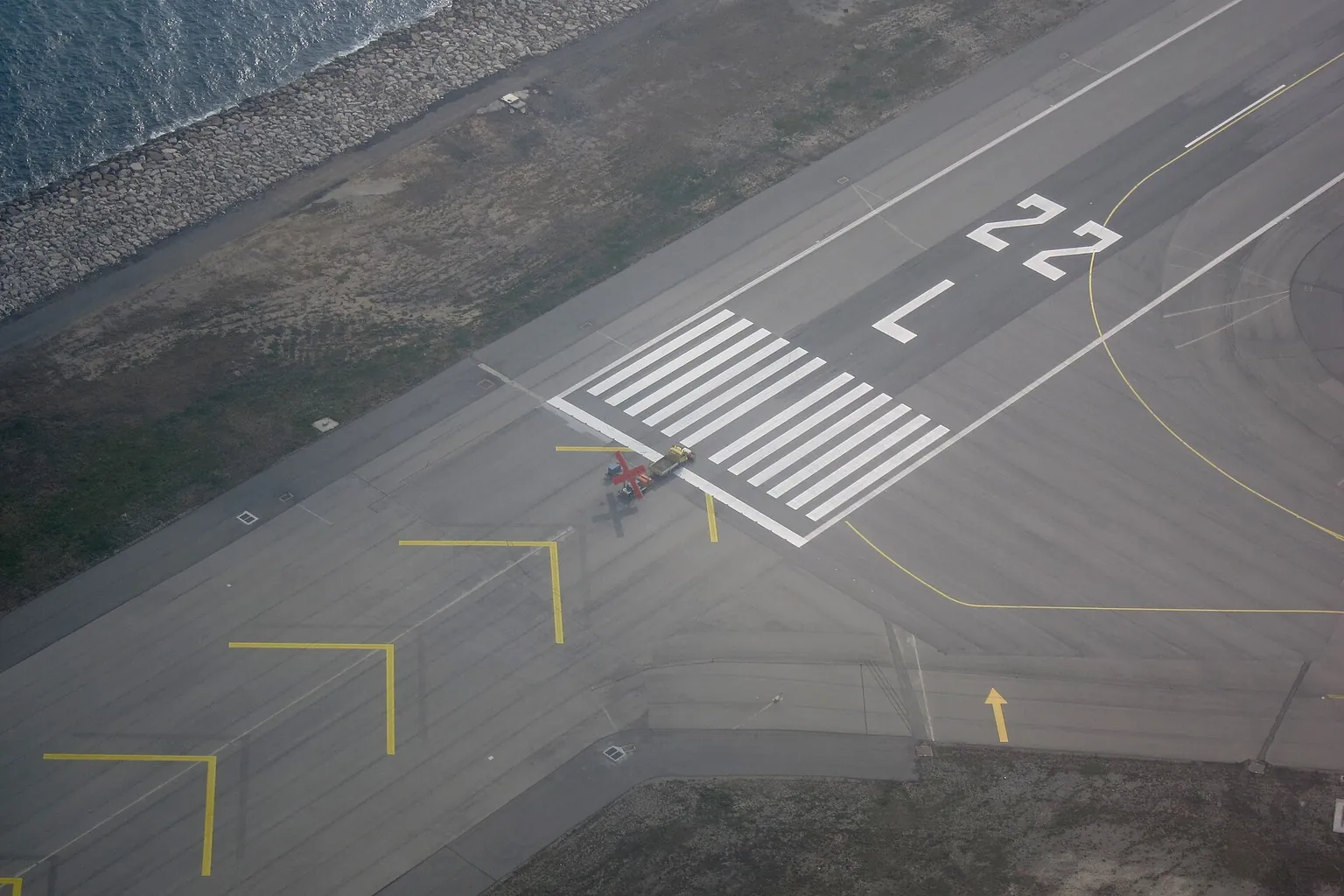
What is a runway?
A runway is a defined area used for aircraft take-off and landing. It can be paved or unpaved. On numbered runways, the number gives a direction, not a name.
-
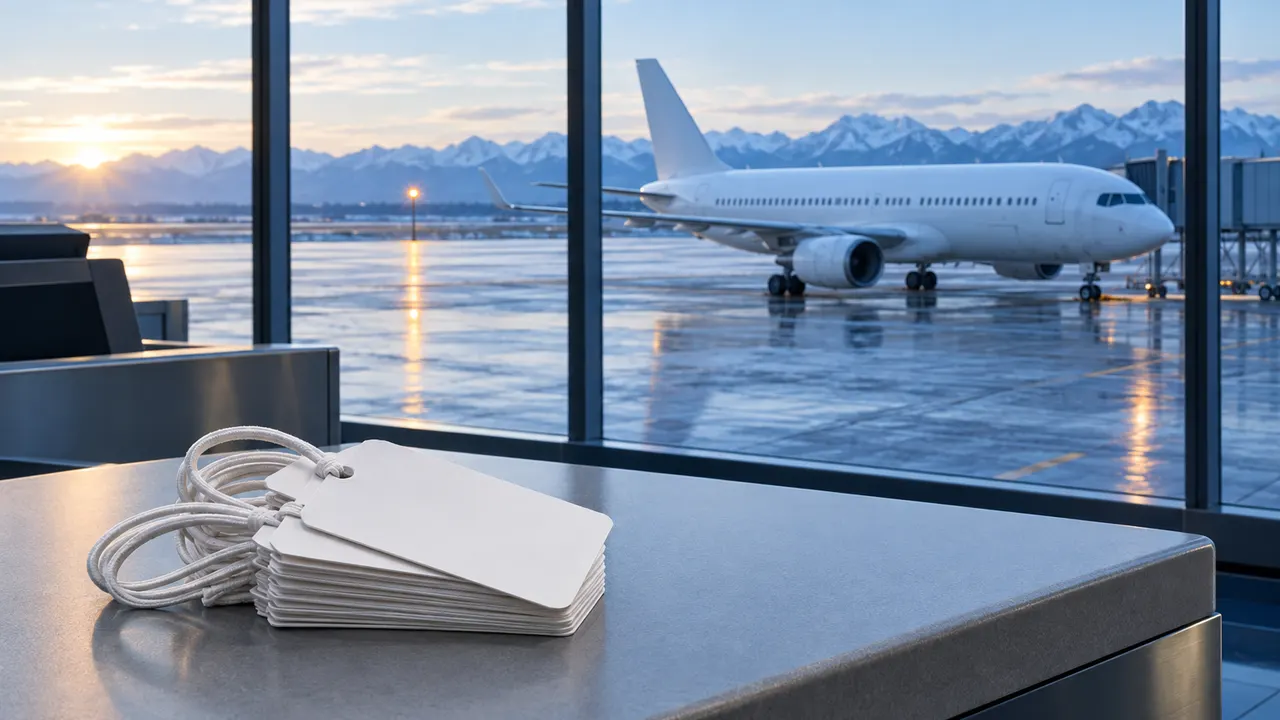
Airport codes: IATA and ICAO
Airport codes come in two systems, and most airports carry one of each: a three-letter IATA code for the commercial side of aviation, and a four-letter ICAO code for the operational side.
-
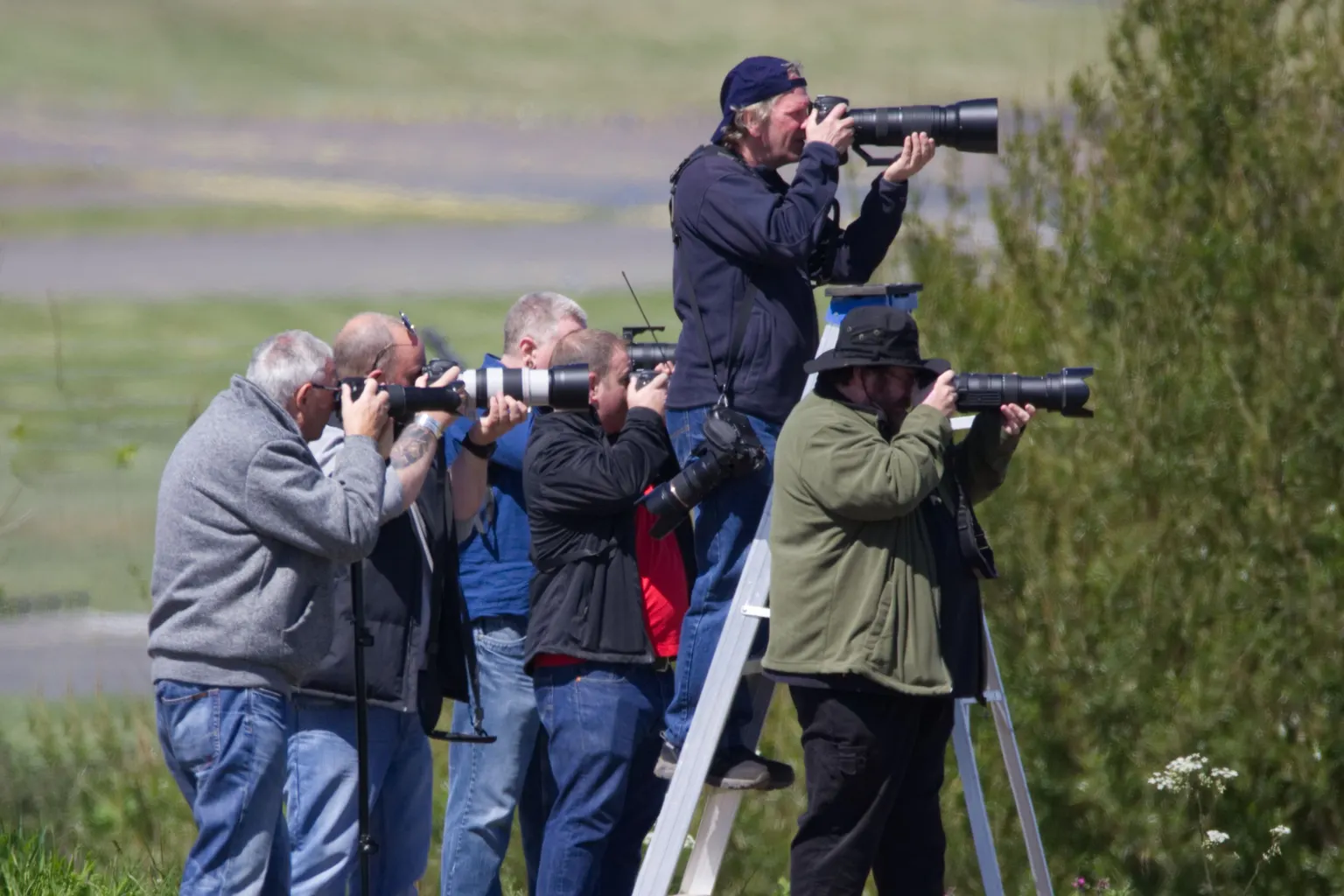
What is plane spotting?
Plane spotting is watching, photographing and identifying aircraft, usually from public ground near an airport or under a flight path.
-
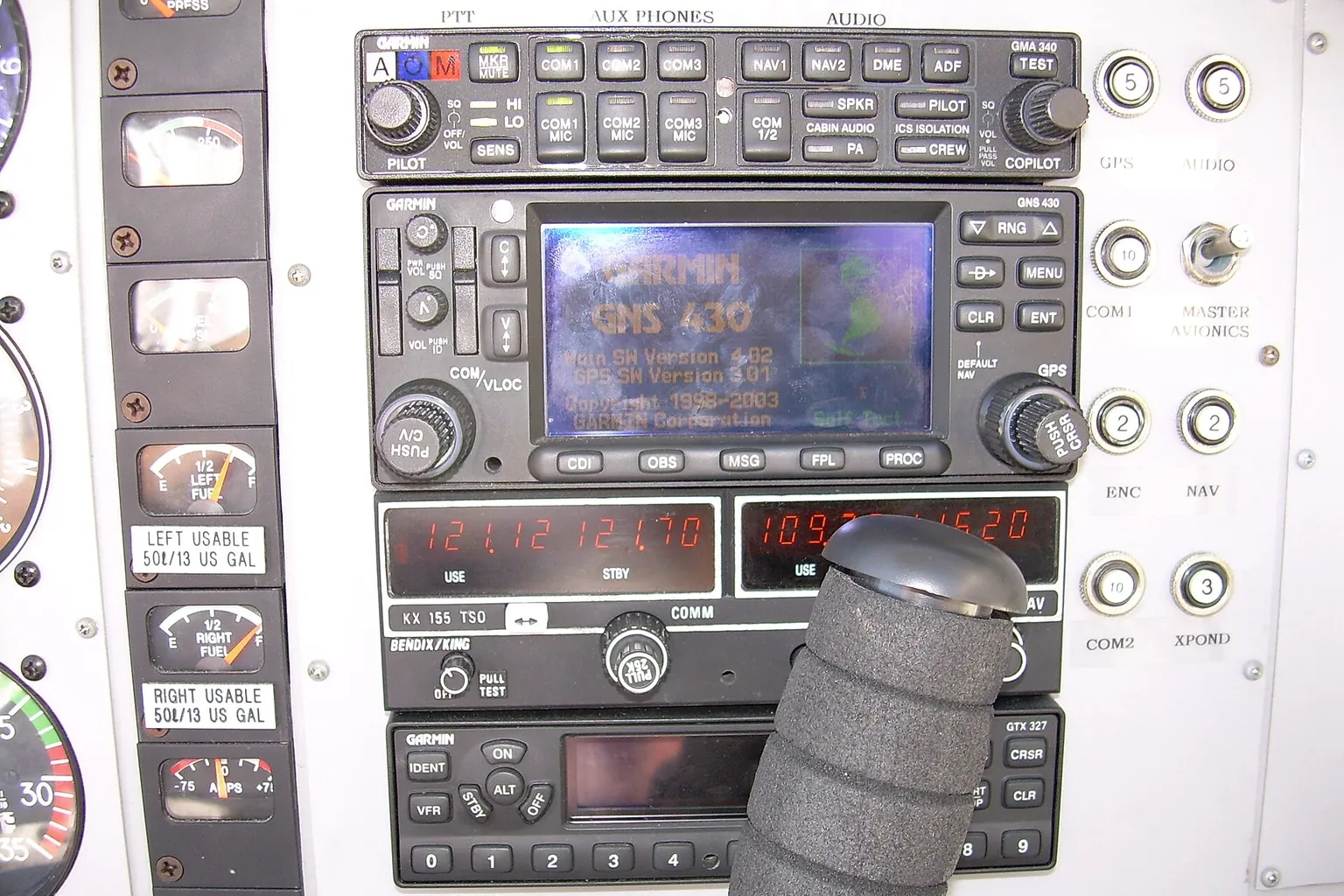
What is a squawk code? Squawk 7700 and the rest
Squawk 7700 means the aircraft is in a state of emergency, and nothing more: the UK rule behind it, SERA.13005 in the CAA's regulatory library, names no cause. A squawk code is the…
-
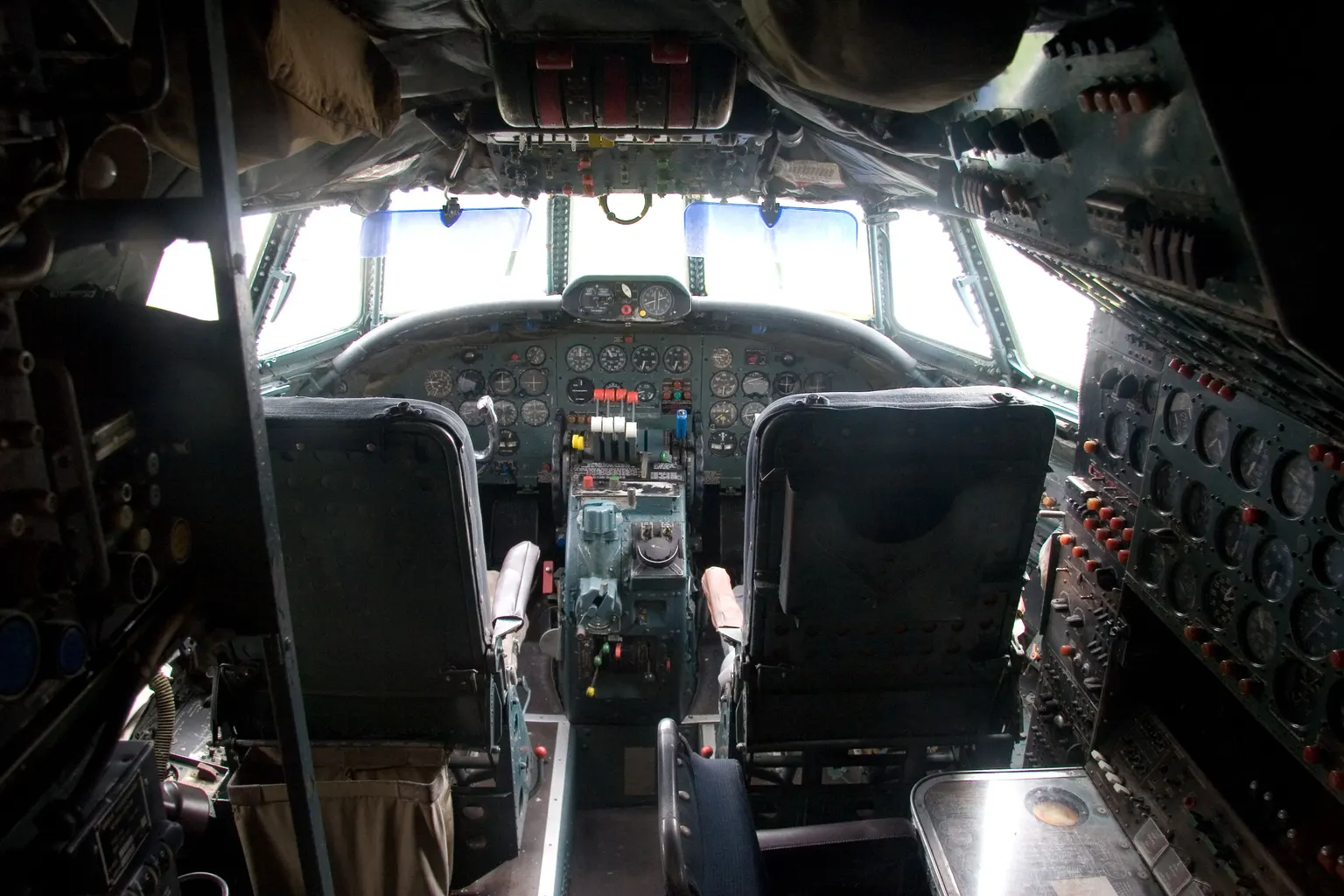
The Lockheed Constellation: history, variants and where to see one
The Lockheed Constellation was a pressurised airliner that Lockheed began designing in the late 1930s to meet TWA's call for non-stop coast-to-coast flights. It first flew on 9 January…
-
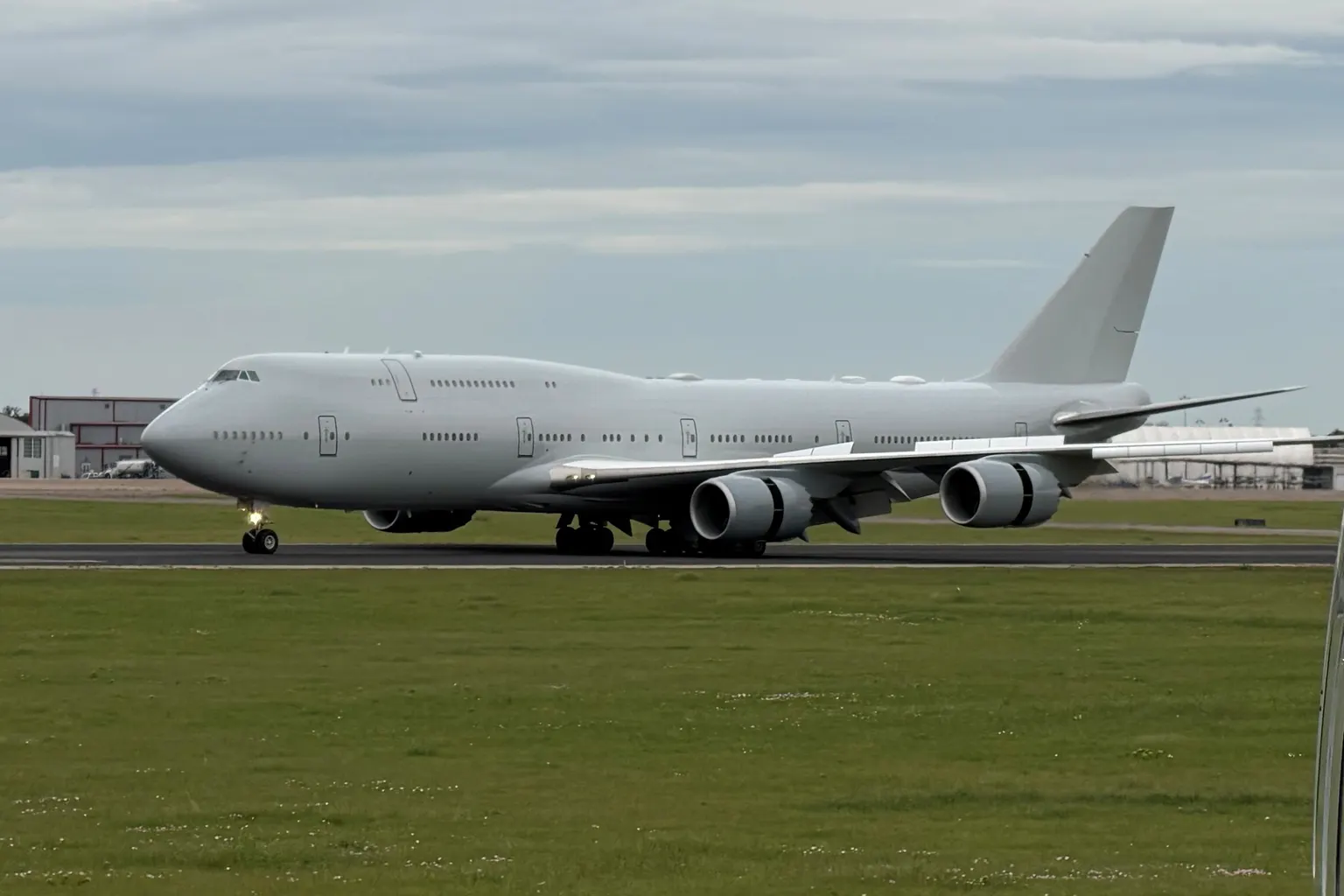
Plane parts, explained: what each part of an aircraft does
The main plane parts, as NASA Glenn's guide sets them out, are the wings, which make most of the lift, the fuselage that holds everything together, the tail that keeps the aircraft…
-
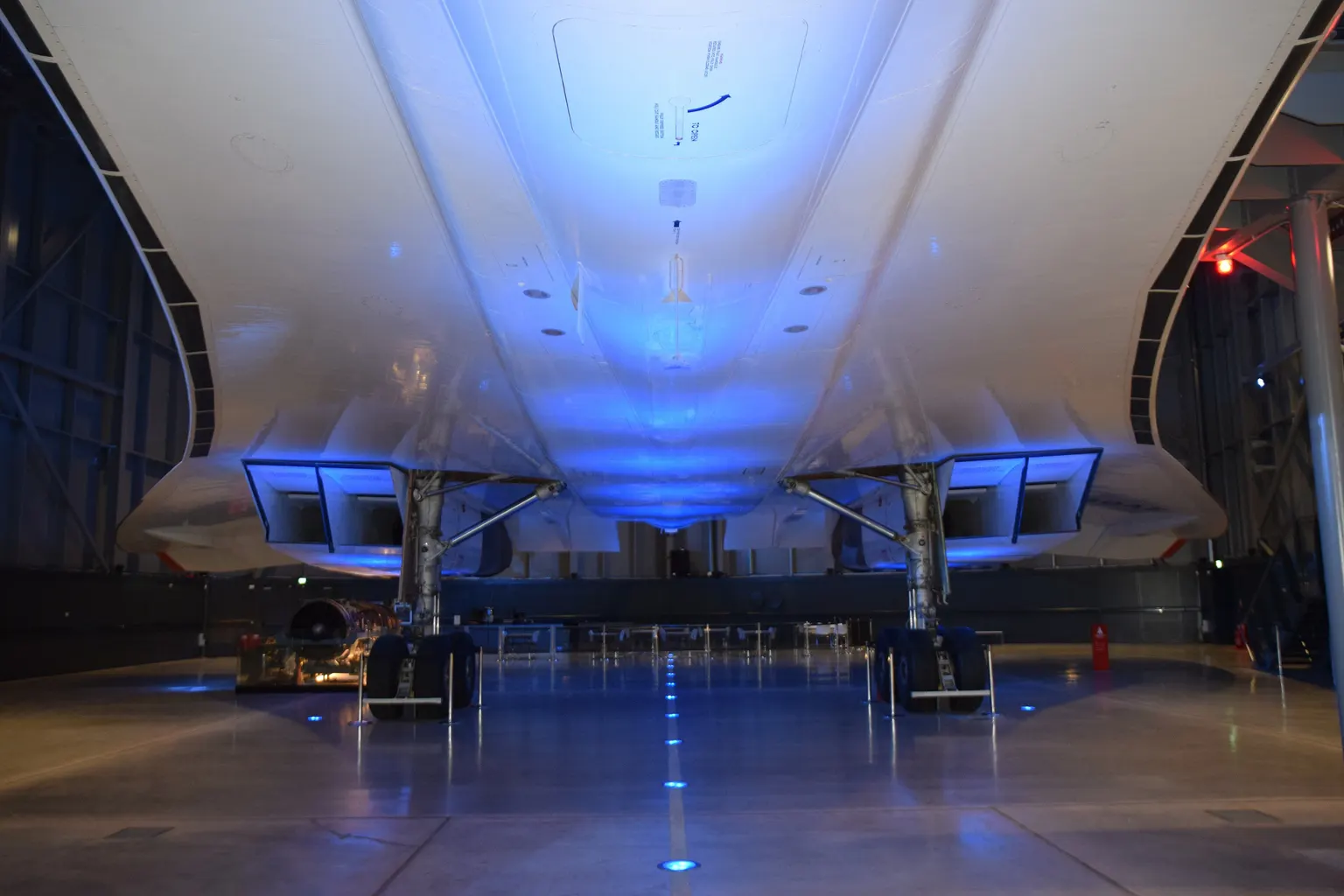
The Concorde aeroplane: history, why it stopped flying and where to see one
The Concorde aeroplane was built by Britain and France under a treaty signed on 29 November 1962. It first flew on 2 March 1969, carried fare-paying passengers from 21 January 1976, and…
-
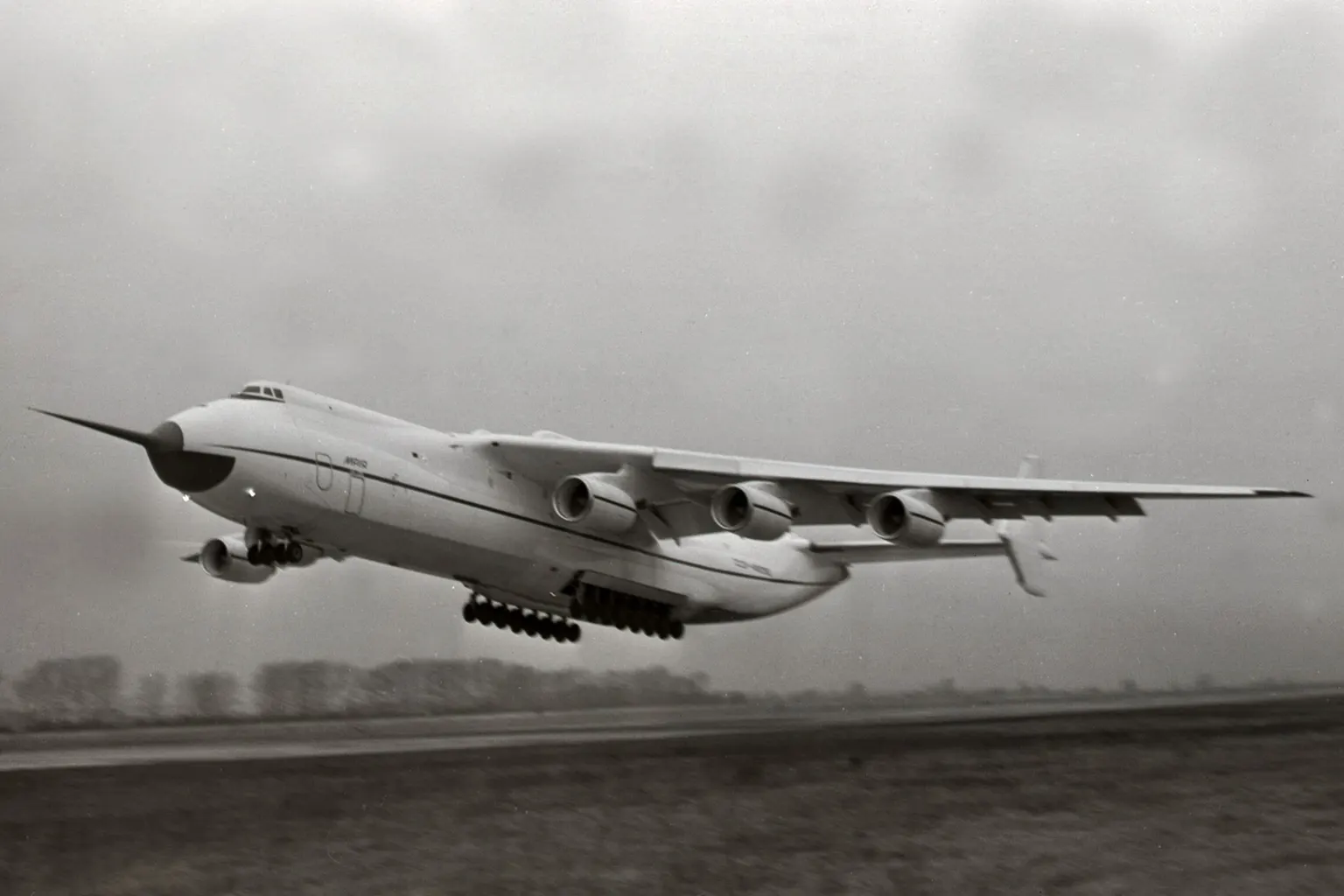
The largest aeroplane in the world: wingspan, weight and passengers
By wingspan, the largest aeroplane in the world is the Stratolaunch Roc, at 117.35 metres, according to Guinness World Records. No single aircraft wins on every measure: the Antonov…
-
Airport code lookup
Type a code - LHR, EGKK, or whatever is on the mug - and get the airport it belongs to, the other code it carries, and the coordinates. UK and Irish airports with an IATA code are here,…
-
Phonetic alphabet translator
Type a name, an aircraft registration or an airport code and see it spelled the way pilots say it on the radio, from Alfa to Zulu. Copy the result with one tap.
-
Flight distance calculator
Pick two airports and see how far apart they are in miles, kilometres and nautical miles, and about how long the flight takes with no wind.
-
Heathrow airport code: LHR
Heathrow's three-letter airport code is LHR (IATA); its ICAO code is EGLL.
-
Gatwick airport code: LGW
Gatwick's airport code is LGW (IATA); its ICAO code is EGKK.
-
Manchester airport code: MAN
Manchester's airport code is MAN (IATA); its ICAO code is EGCC.
-
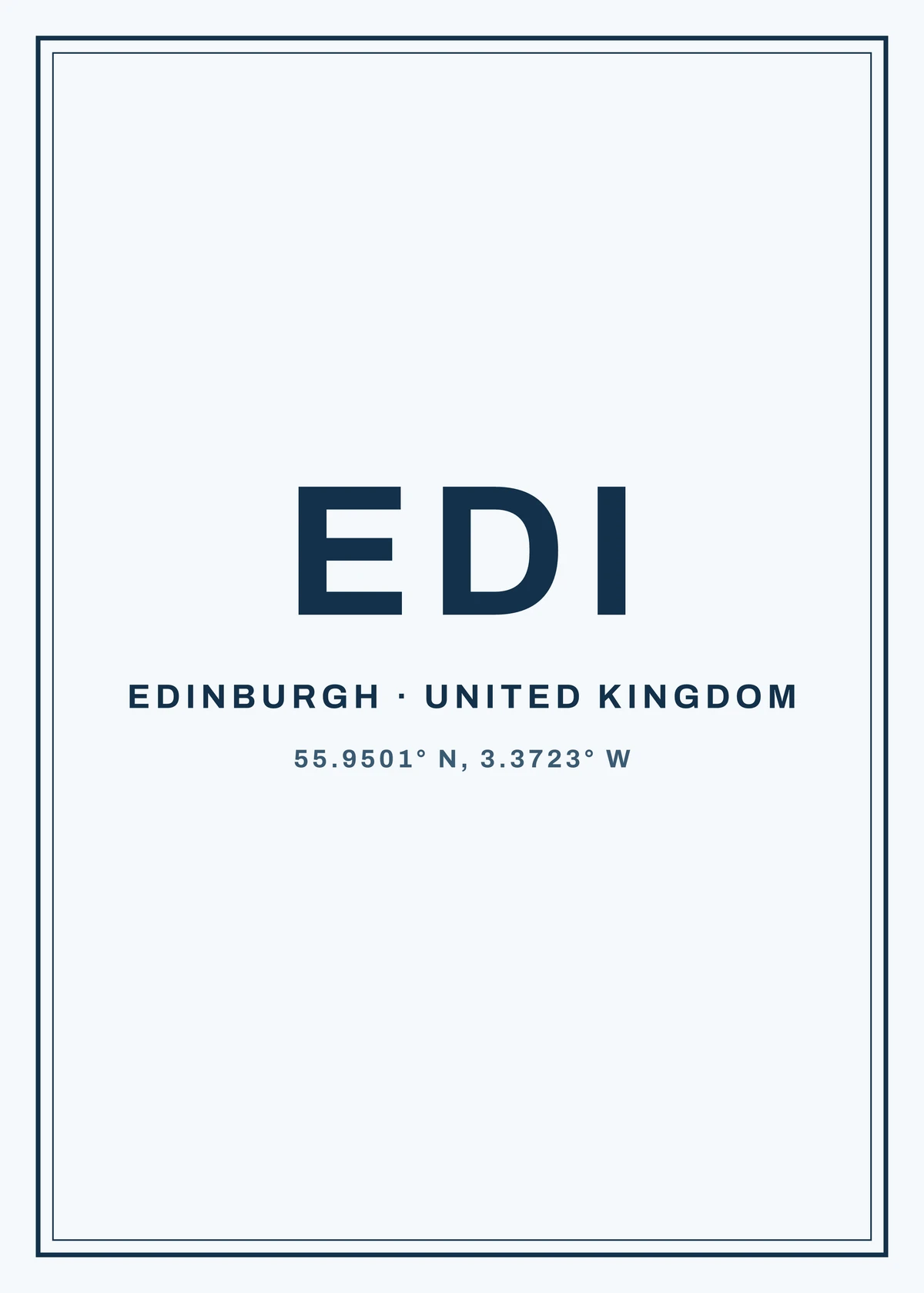
Edinburgh airport code: EDI
Edinburgh's airport code is EDI (IATA); its ICAO code is EGPH.
-
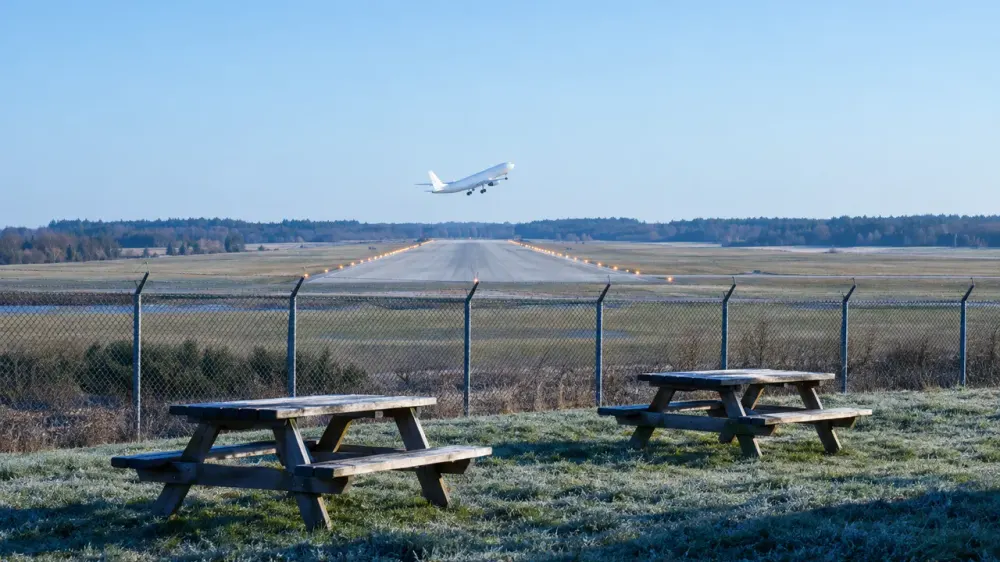
Birmingham airport code: BHX
Birmingham's airport code is BHX (IATA); its ICAO code is EGBB.
-
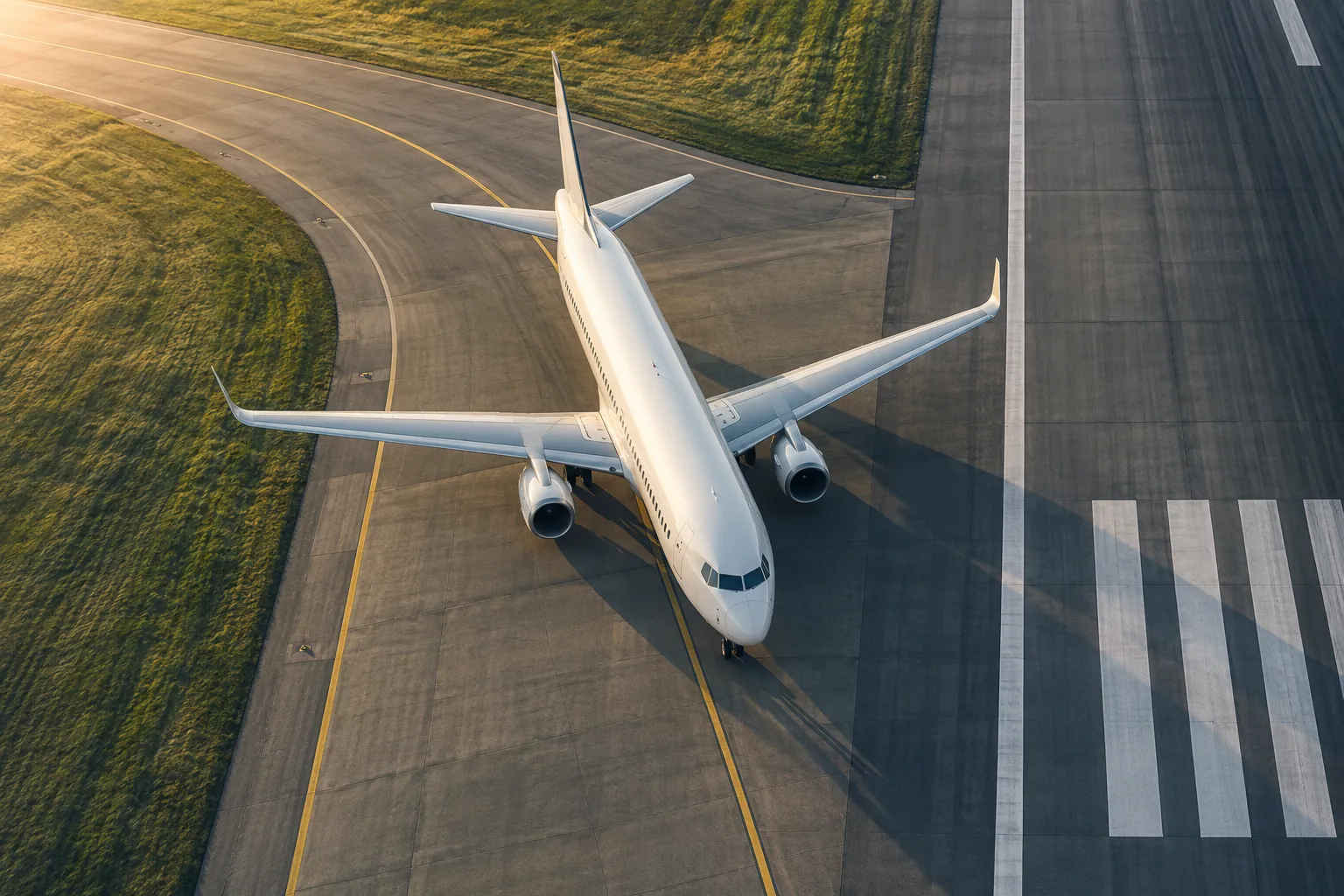
What is an aerodrome reference code?
An aerodrome reference code is a design classification, usually written as a number and a letter. It isn’t the passenger airport identifier on a baggage label, and it isn’t a universal…
-
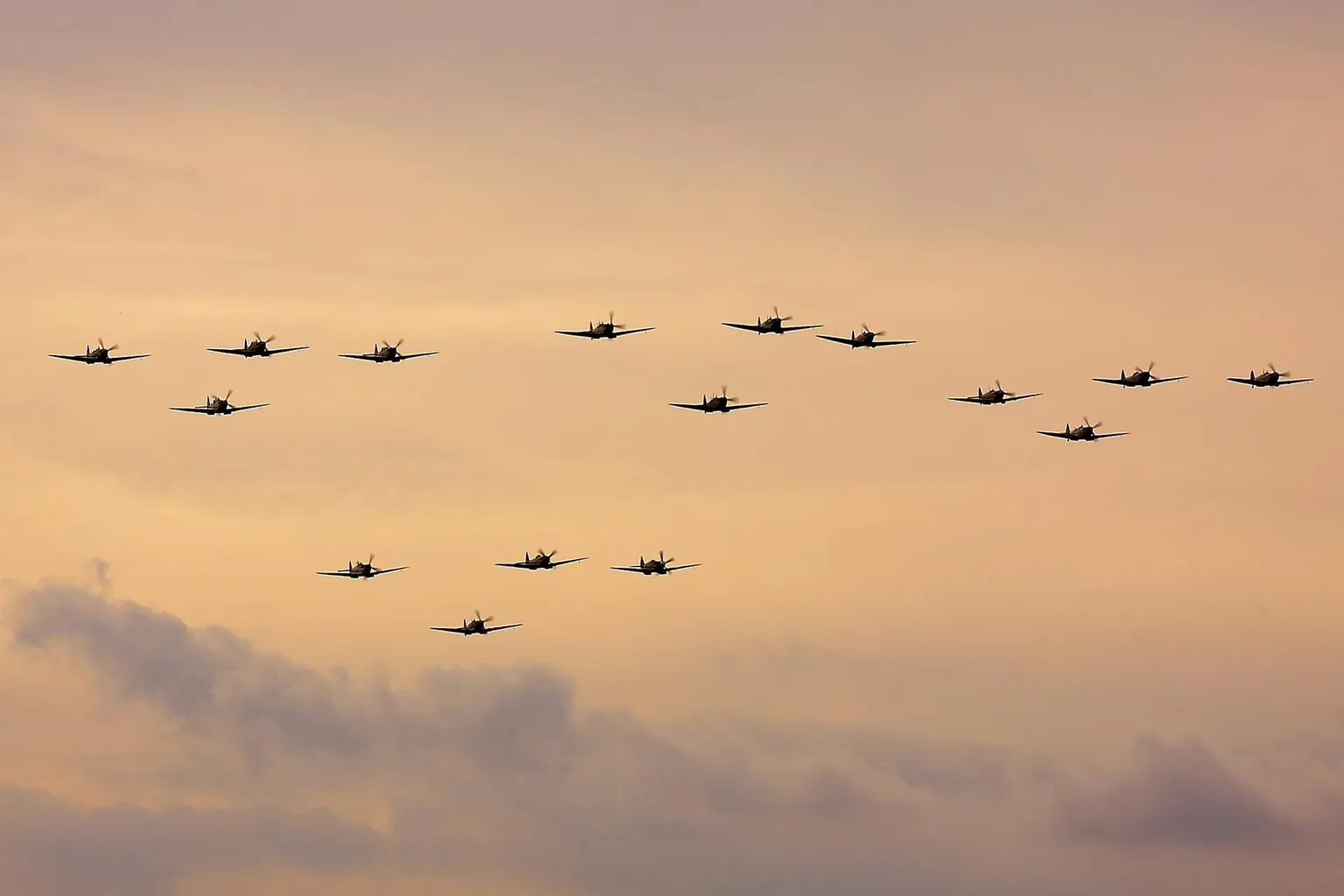
The Spitfire aircraft: a short history
The Supermarine Spitfire aircraft is a family of fighters, not one unchanged machine. Its story begins with a prototype in 1936 and continues through different versions, roles and…
Your aircraft
15 guides & references
-
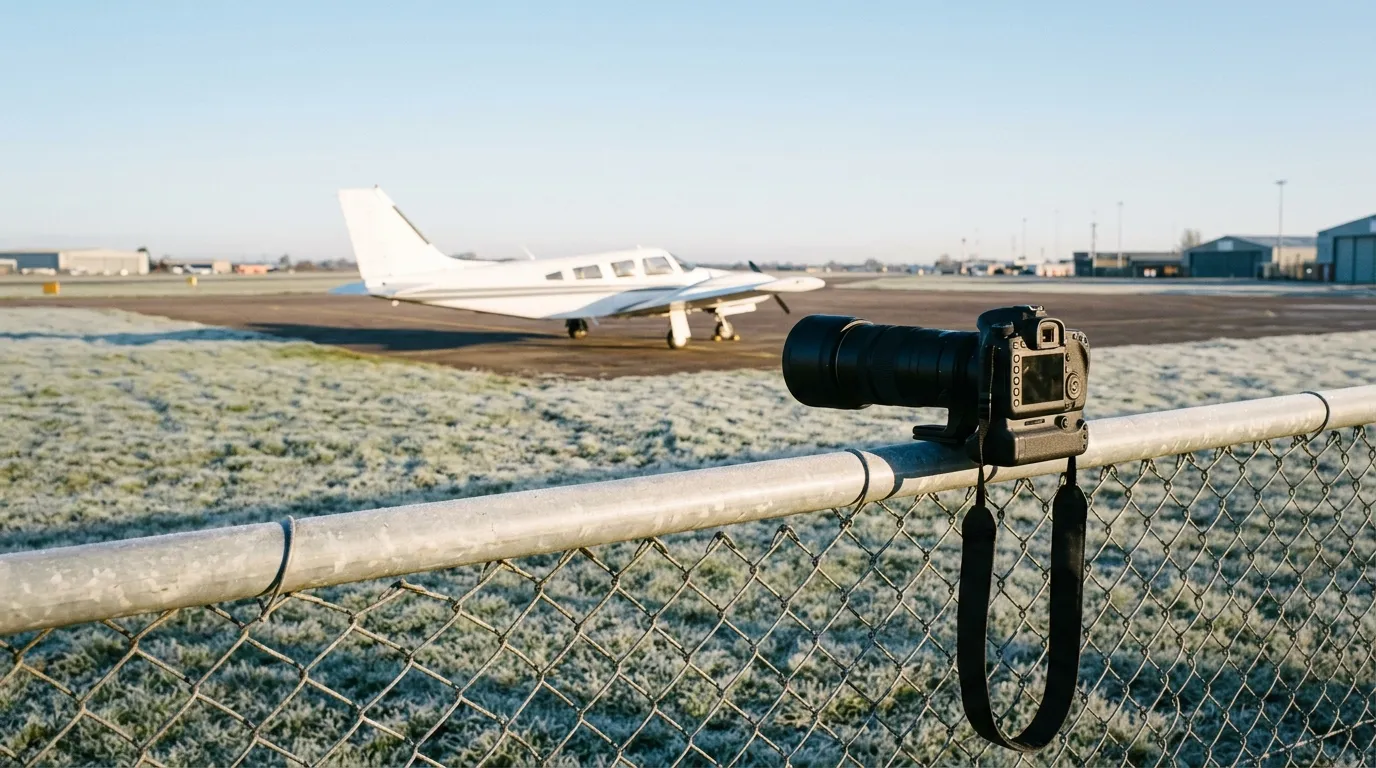
Start here: Your aircraft
One photograph of one particular aircraft, and everything that can be done with it.
-
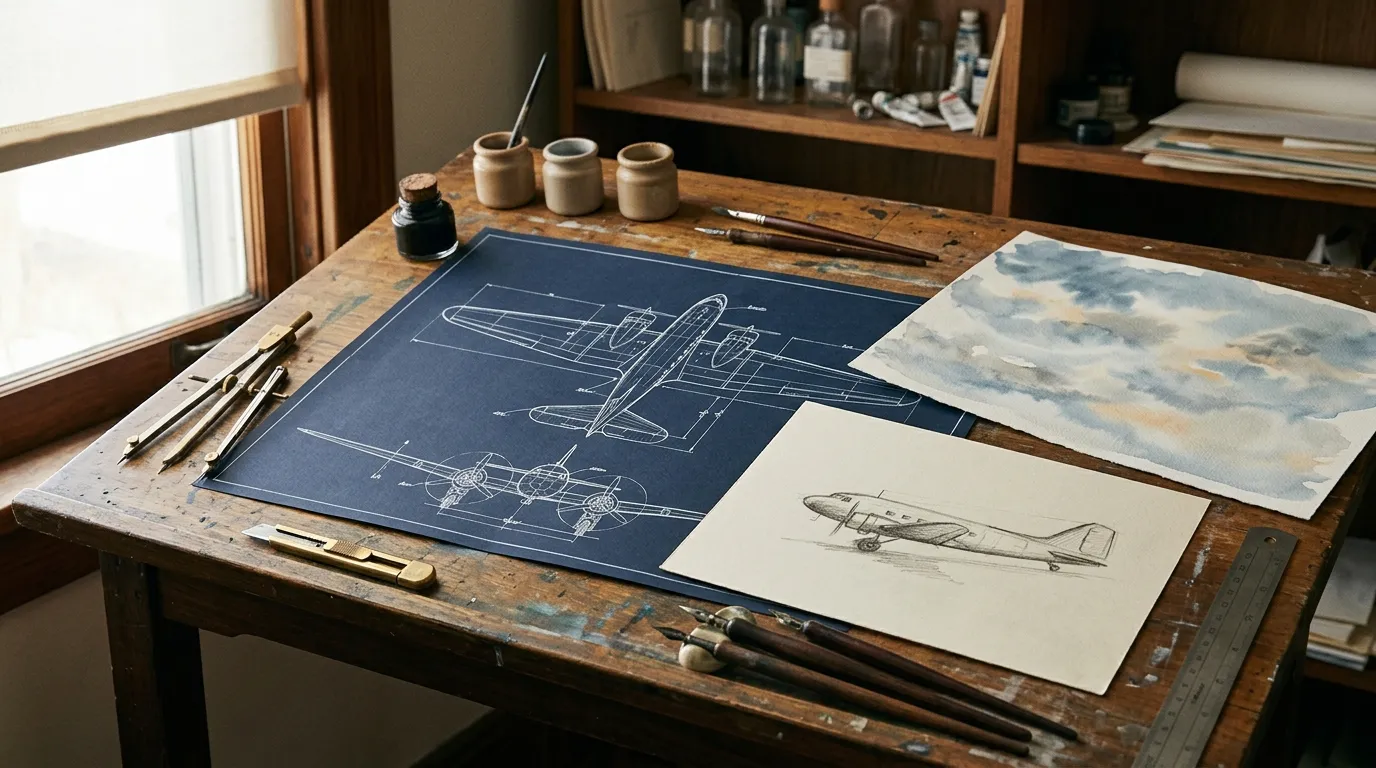
Aircraft art styles explained: blueprint, vintage poster, line, watercolour or oil?
There are five aircraft art styles to choose from when you upload a photo, plus the photo itself: keep it as a clean photo with the photo print, or restyle it with the aircraft print…
-
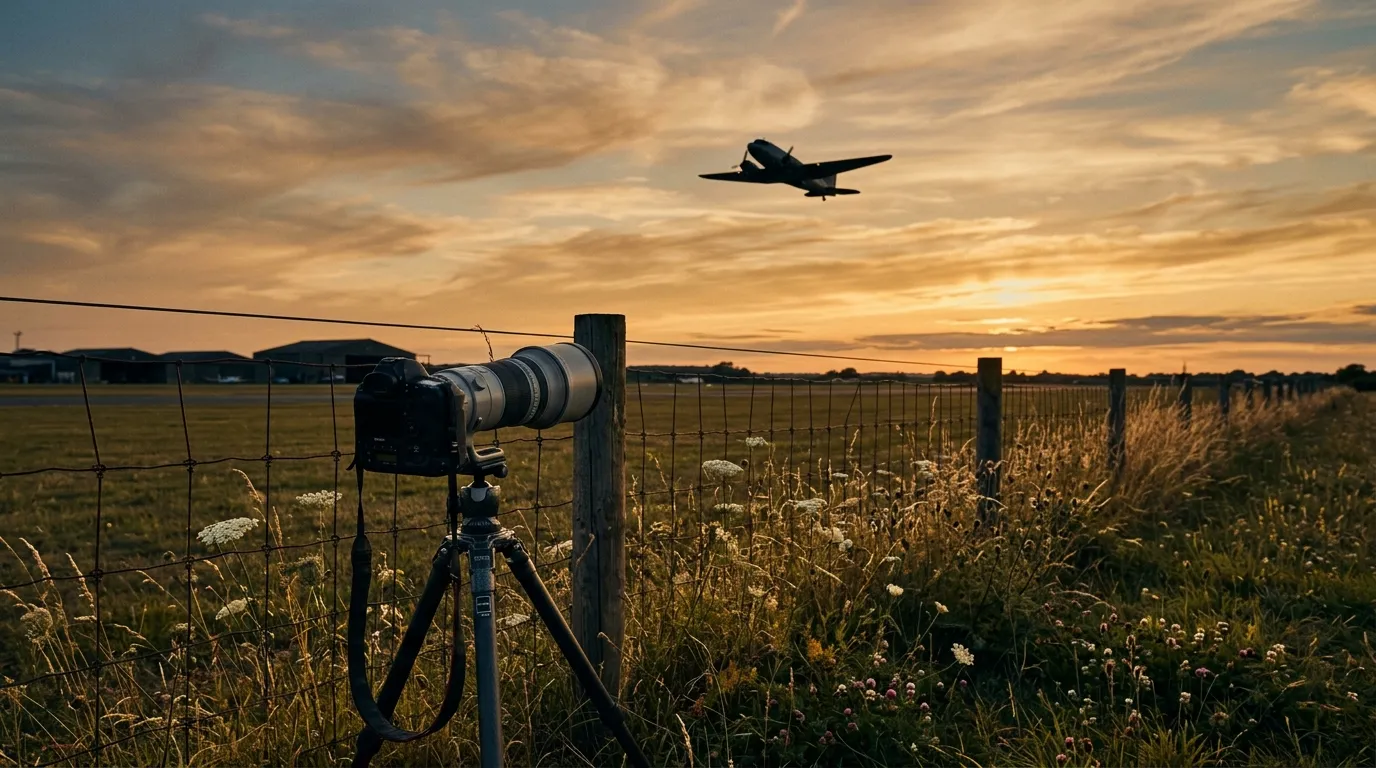
Plane spotting photography: getting a print-worthy shot
For plane spotting photos worth printing, use a long lens, a shutter of 1/1000s or faster for jets (around 1/250s or slower for propellers), continuous autofocus and burst mode, and keep…
-
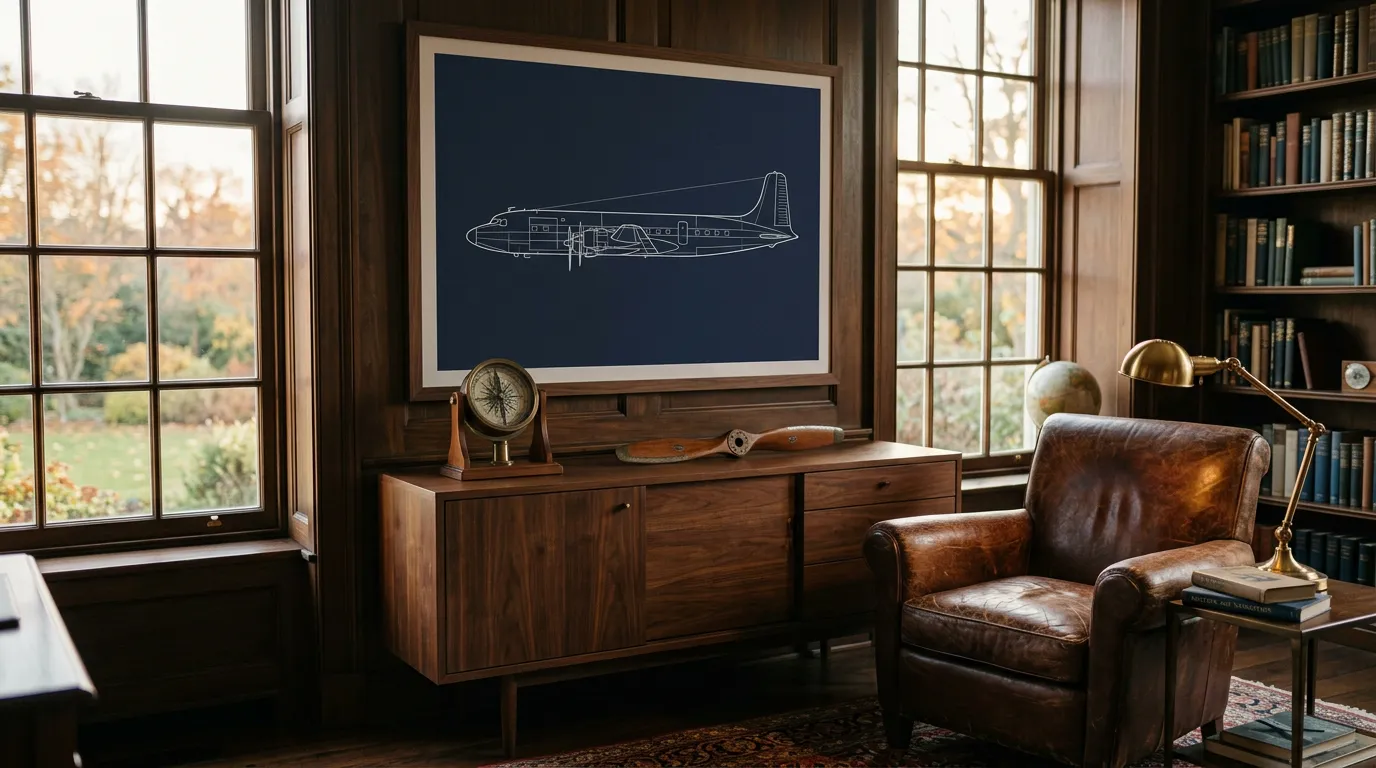
Turn a photo into a painting: aircraft photos as wall art
To turn a photo of an aircraft into a painting, upload your sharpest shot, pick the watercolour or oil style, and it is redrawn with a painted look; you see a free watermarked preview…
-
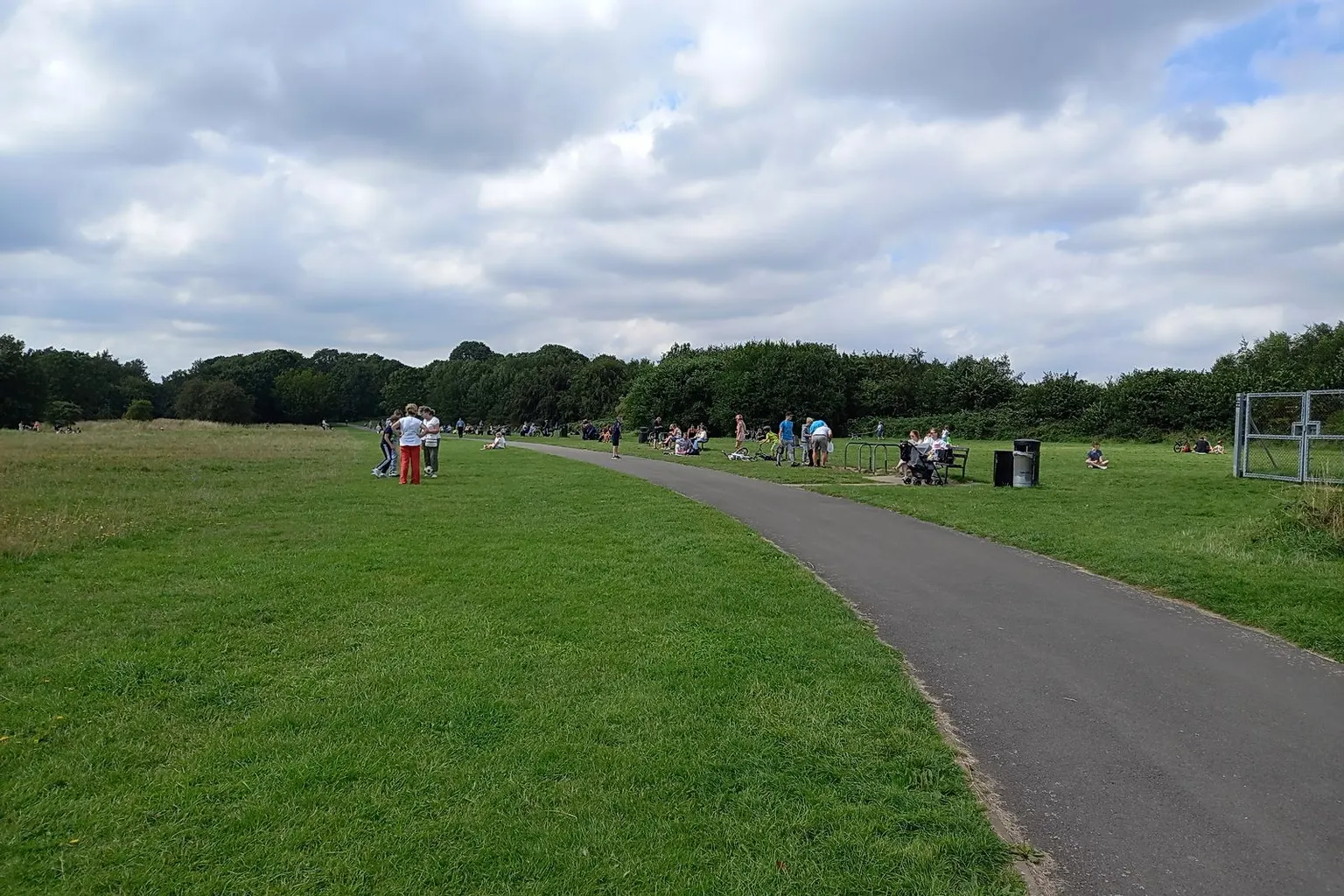
Plane spotting in the UK: where to watch planes near you
The easiest places to watch planes in the UK are the viewing areas airport operators have built. This guide covers three: Manchester's Runway Visitor Park, Birmingham's viewing area in…
-
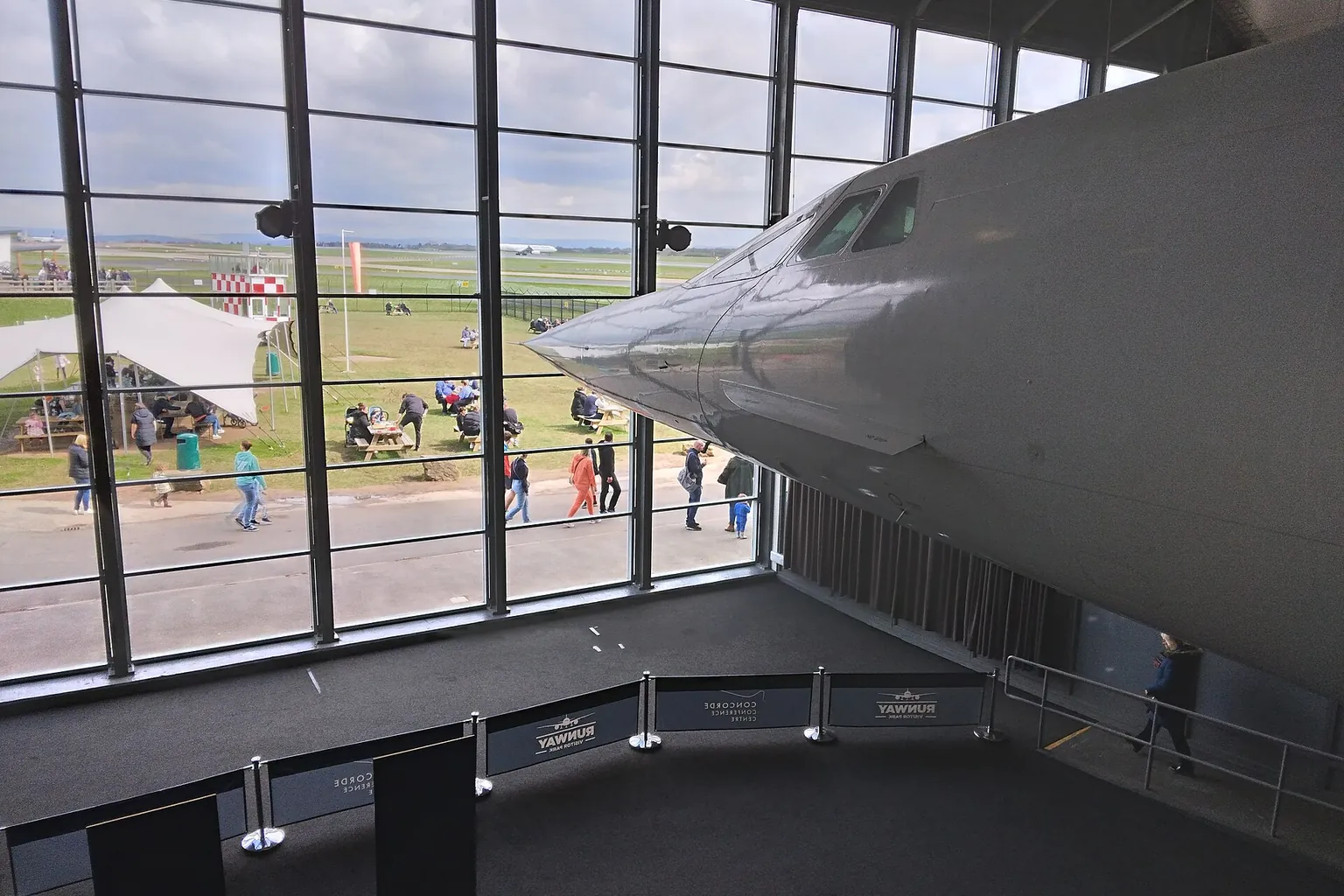
Manchester Airport plane spotting: the Runway Visitor Park and Concorde
The Runway Visitor Park beside the runways at Manchester Airport is run as a visitor attraction and keeps Concorde G-BOAC. Her cabin can only be seen on a booked guided tour.
-
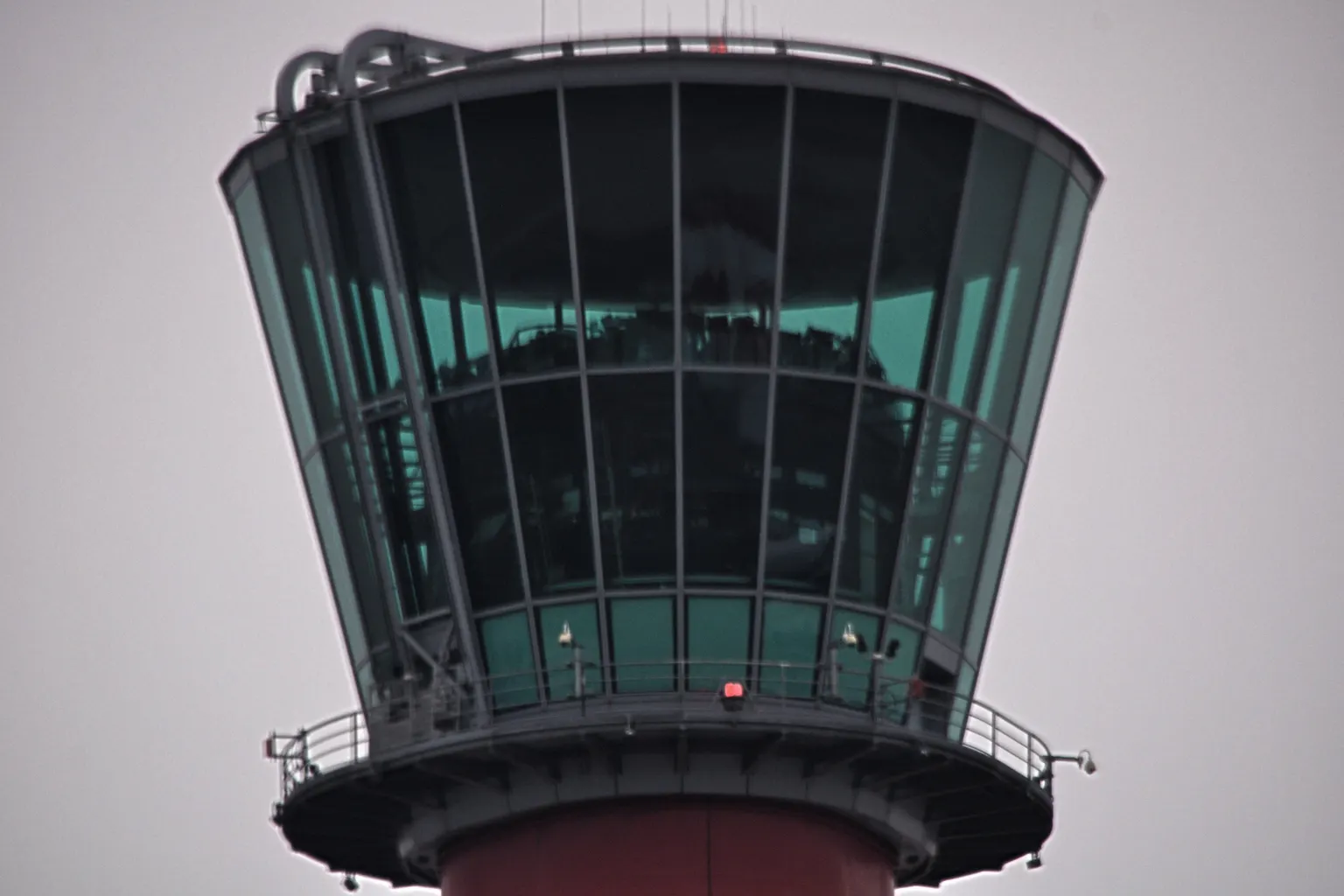
Plane spotting at Heathrow: where you can watch
Heathrow names one place for people who are not flying: a free covered viewing stand at the Heathrow Academy on Newall Road, looking over the northern runway. Some visitors report it…
-
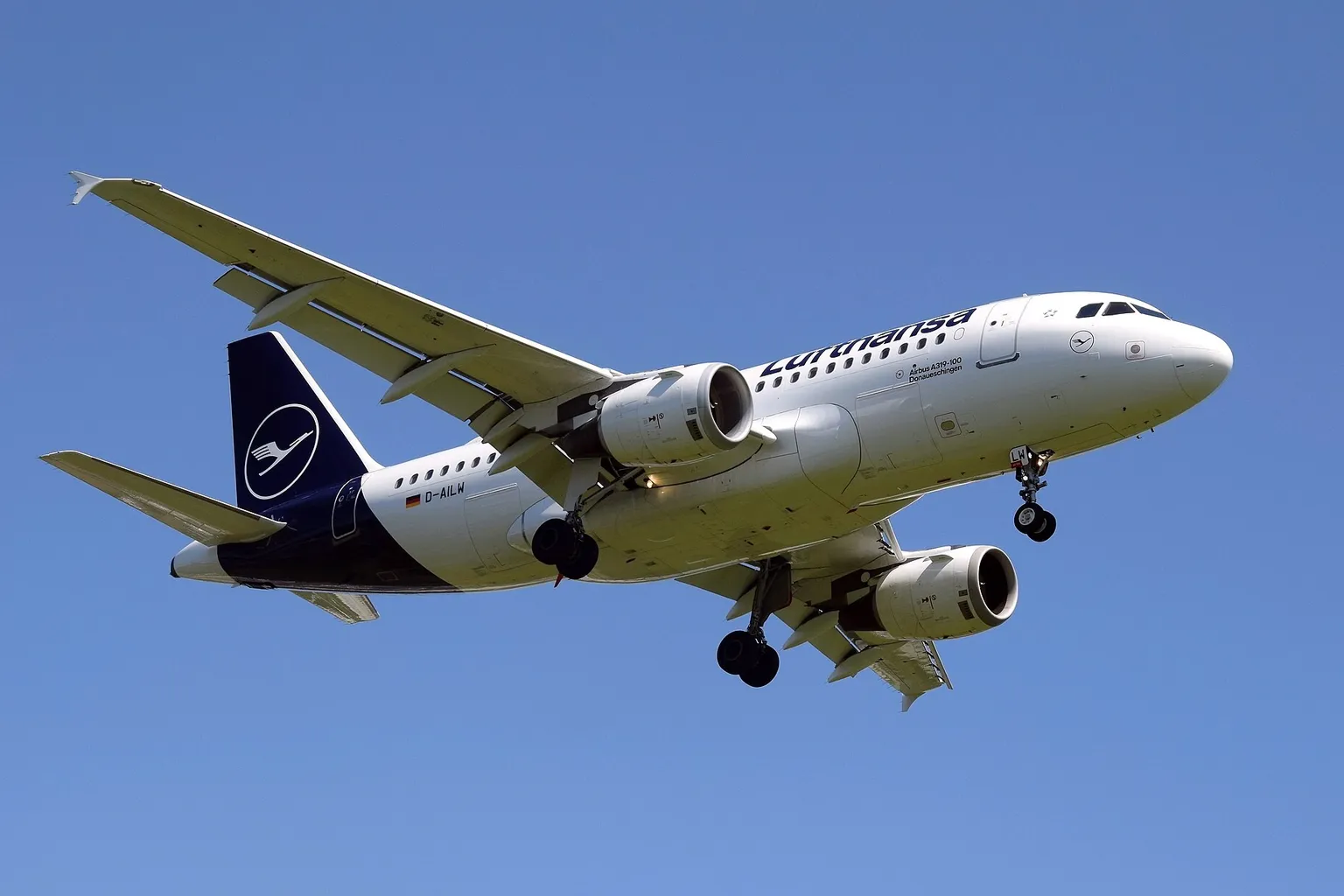
Birmingham Airport plane spotting: Car Park 5 and Sheldon
Birmingham Airport plane spotting has an official home: a free viewing area in Car Park 5, beside the perimeter fence and open 24 hours. When aircraft use runway 15, the airport points…
-
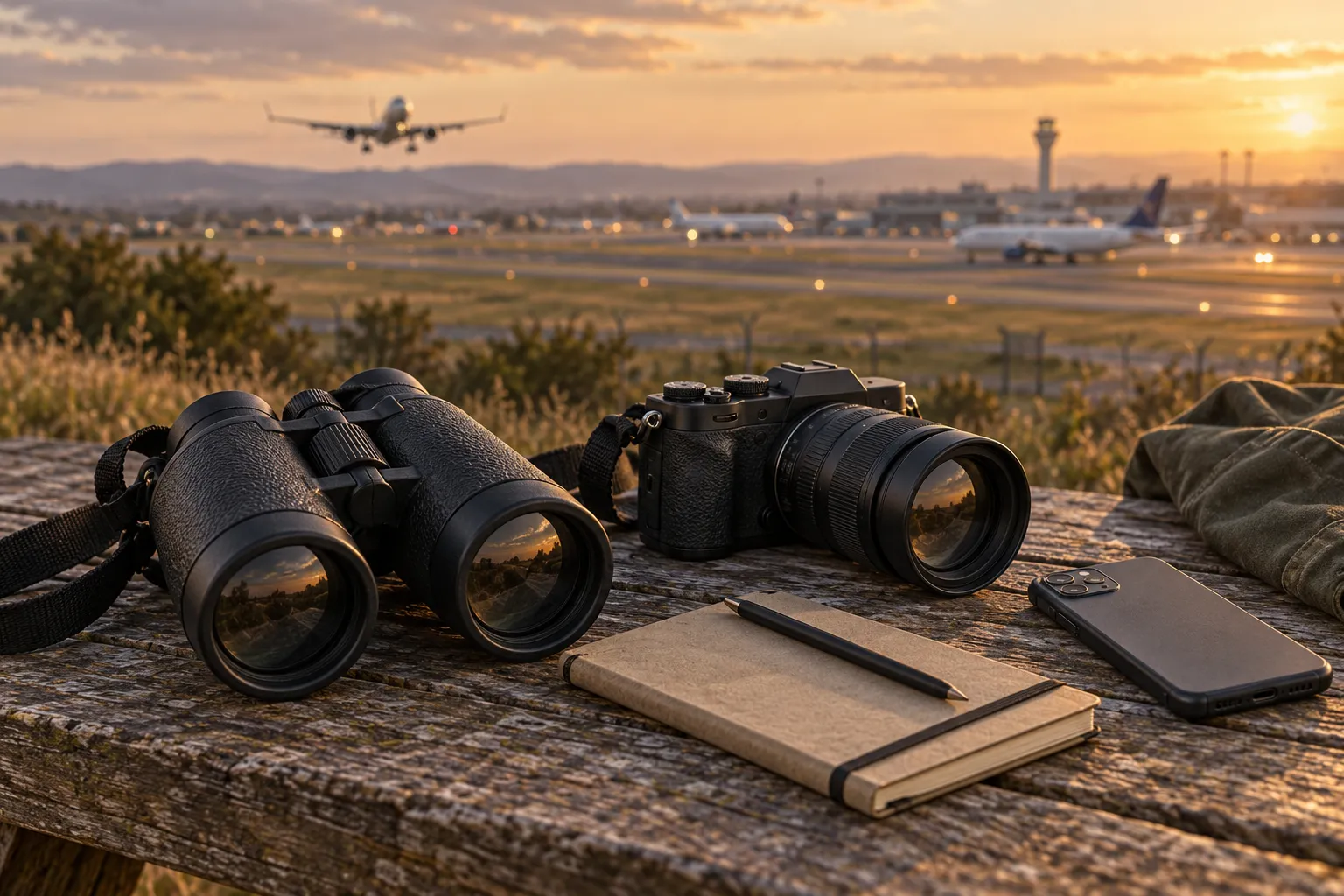
Plane spotting apps and equipment: what helps first
Plane spotting apps and equipment come down to three jobs: an app helps identify a flight, binoculars help you observe it, and a camera helps you keep a picture. Choose the task first:…
-
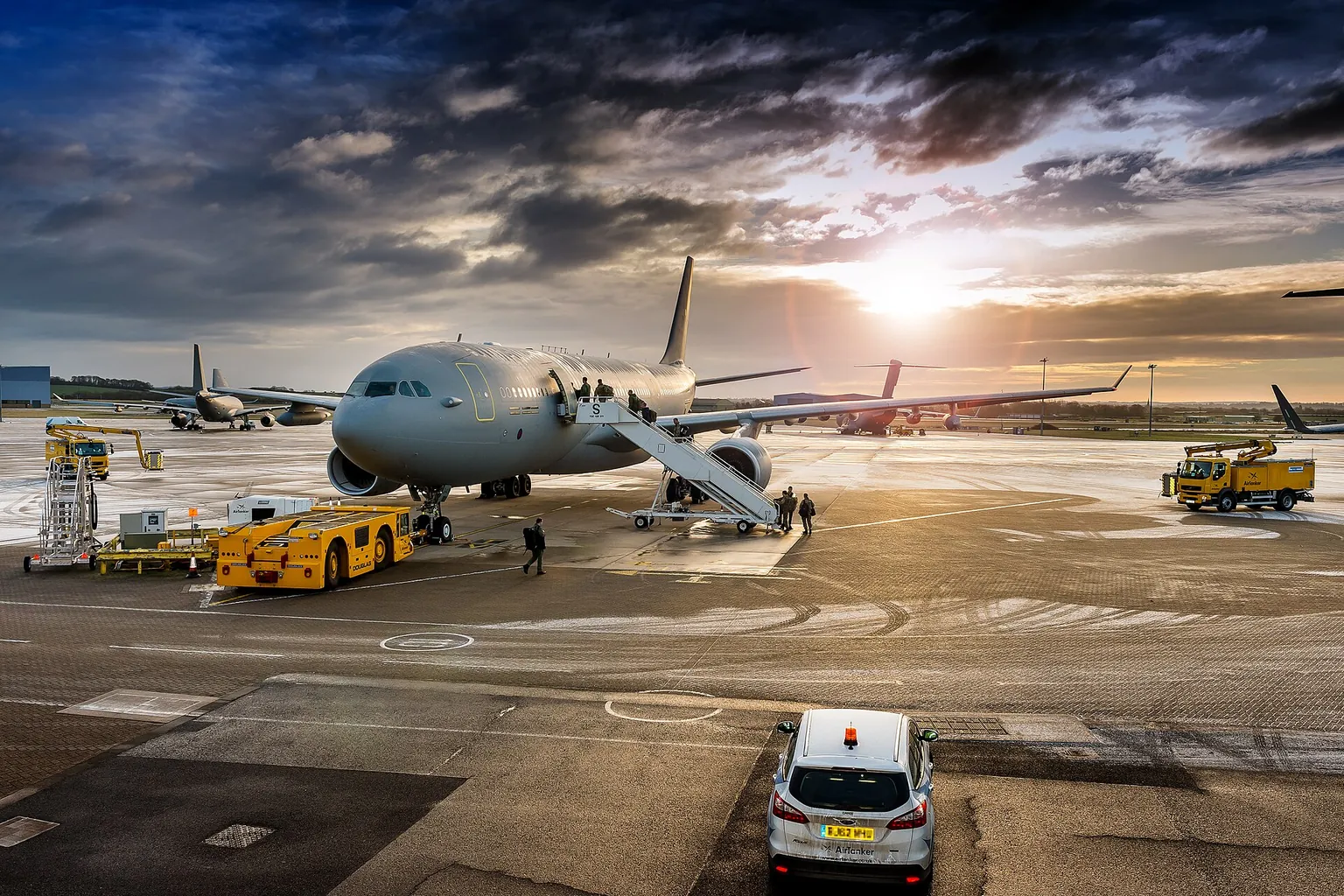
RAF Brize Norton plane spotting: where people watch from
RAF Brize Norton plane spotting happens from public roads, footpaths and village streets around the airfield, because the station says there are no official viewing areas near it. What…
-
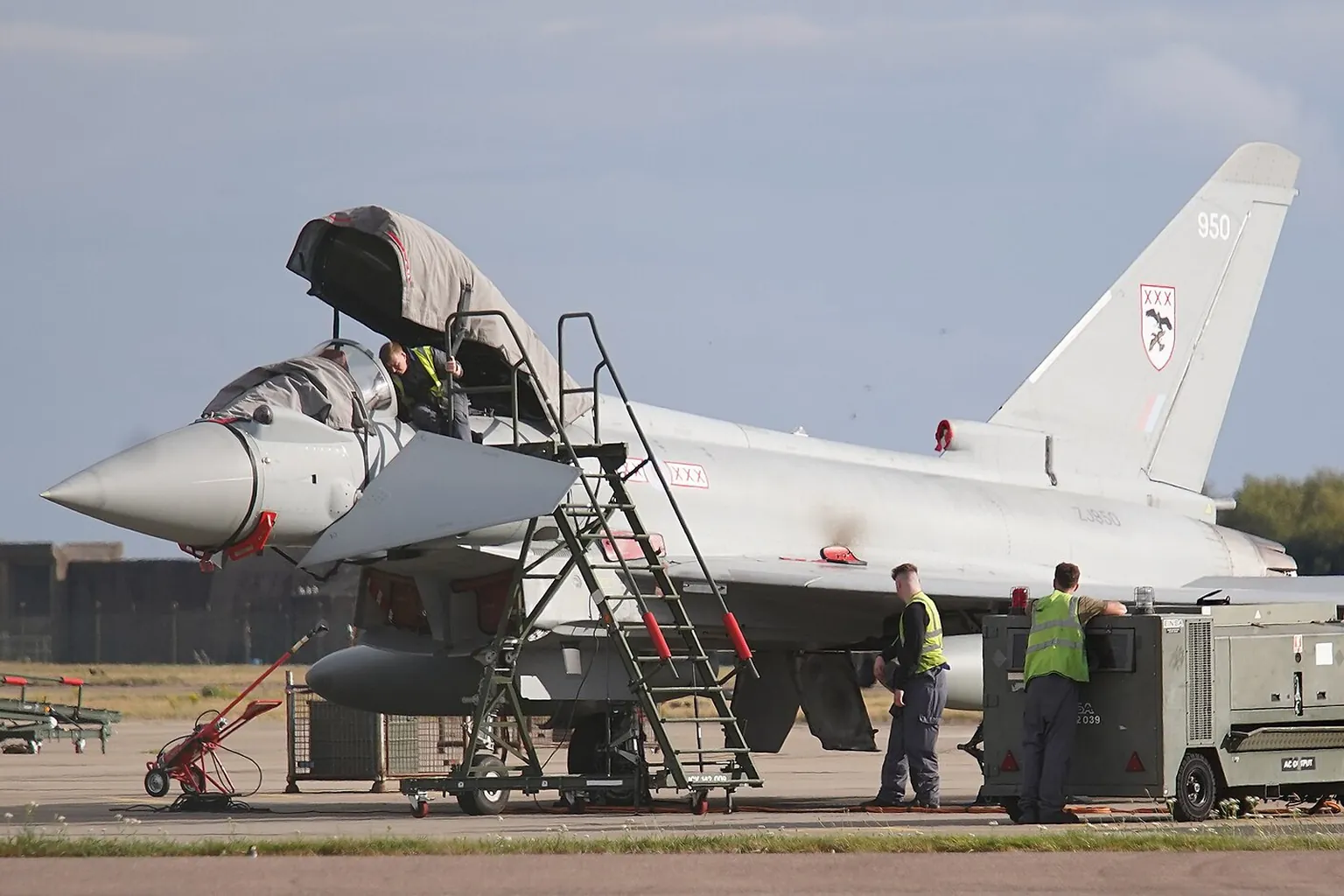
RAF Coningsby plane spotting: the viewing area and the BBMF
RAF Coningsby plane spotting starts at the public viewing area on Dogdyke Road, Coningsby, LN4 4SY, which the station itself names and which has a free car park. A short way round the…
-
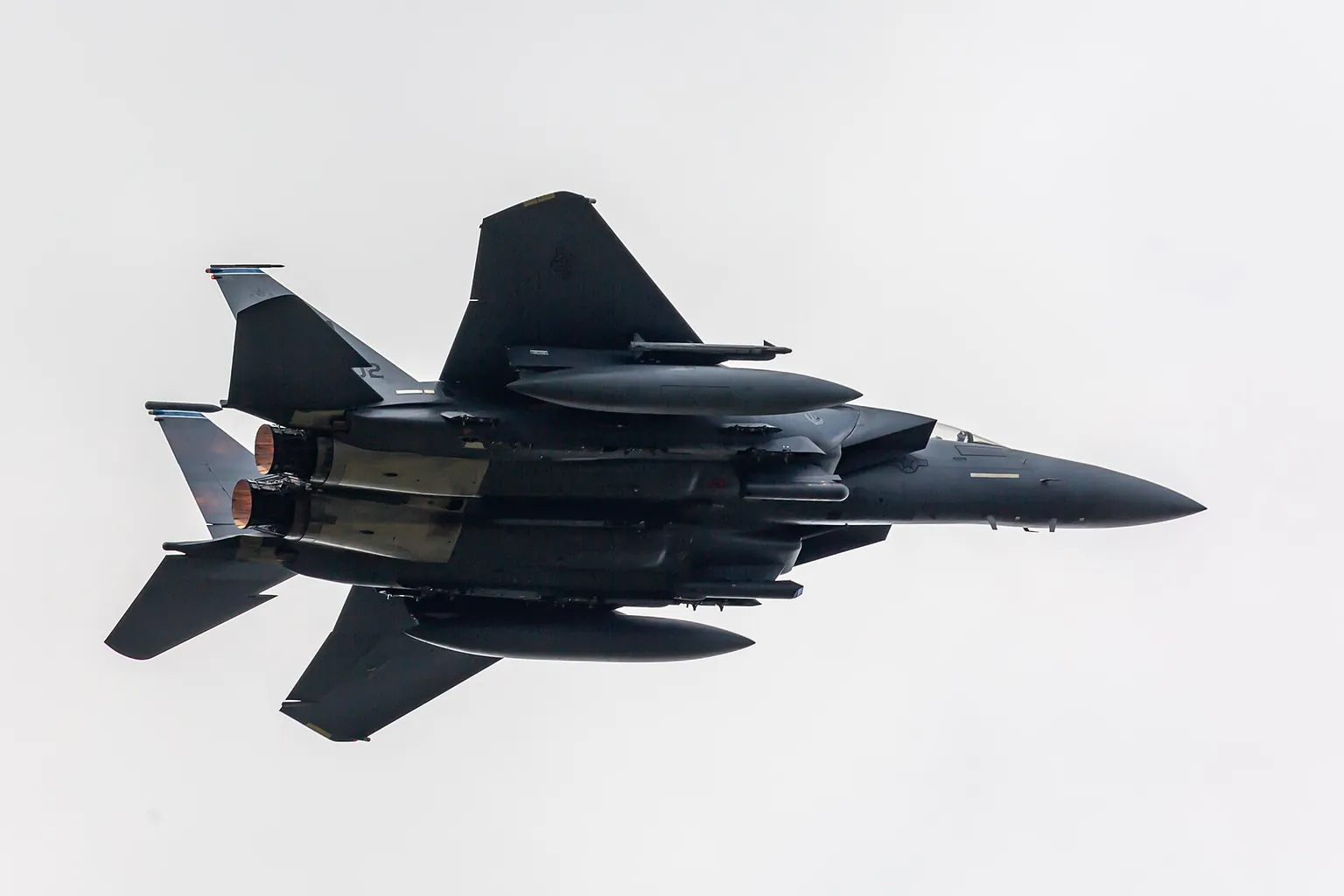
RAF Lakenheath plane spotting: where to watch the F-15E and F-35A
RAF Lakenheath plane spotting centres on the aircraft viewing area beside the A1065 in Suffolk, where enthusiasts gather to log the 48th Fighter Wing’s F-15Es and F-35As. It fills up…
-
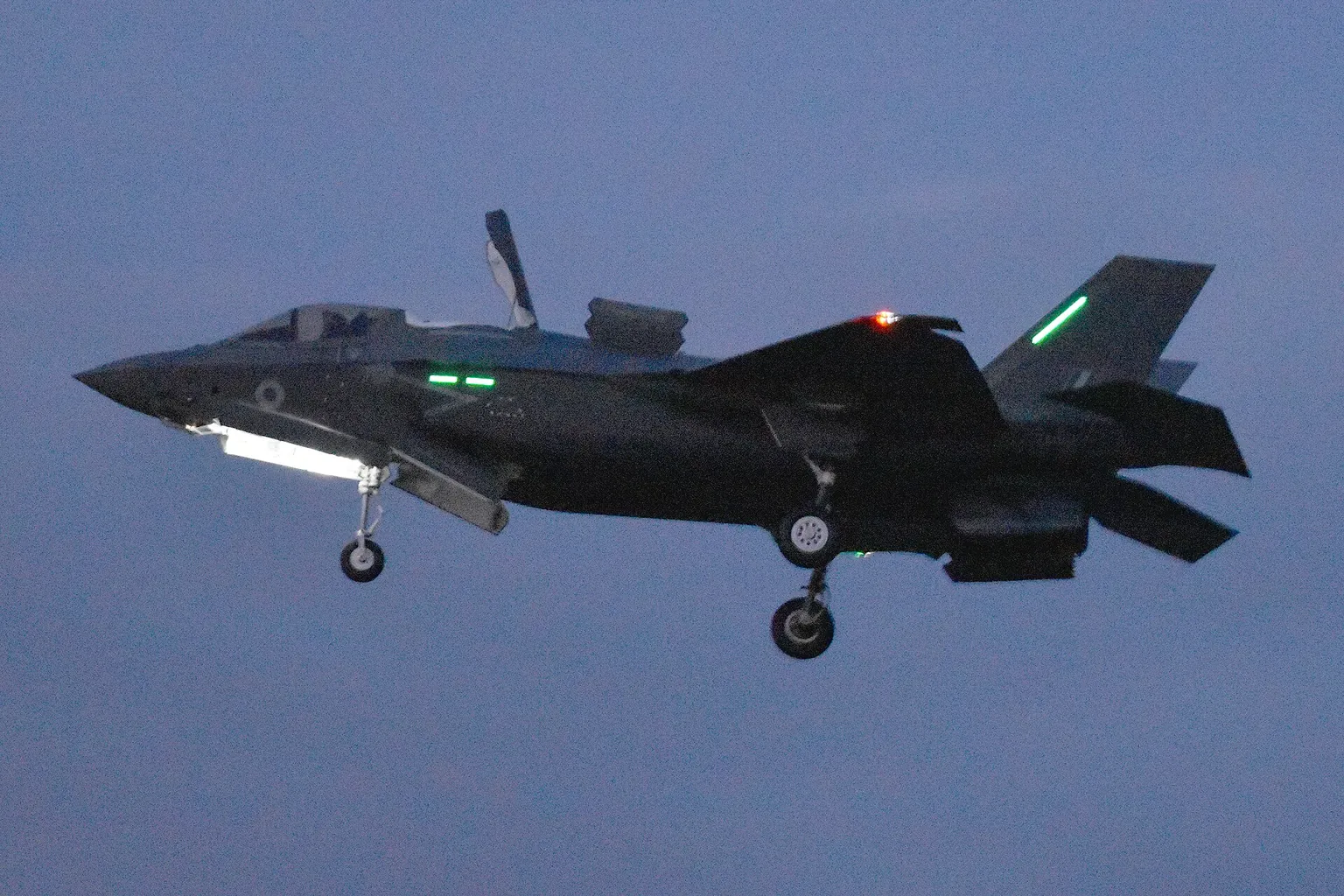
RAF Marham plane spotting: where to see the F-35B
RAF Marham plane spotting happens from public lanes and laybys on the Norfolk farmland around the airfield, because the station says it has no official viewing area. The prize is the…
-
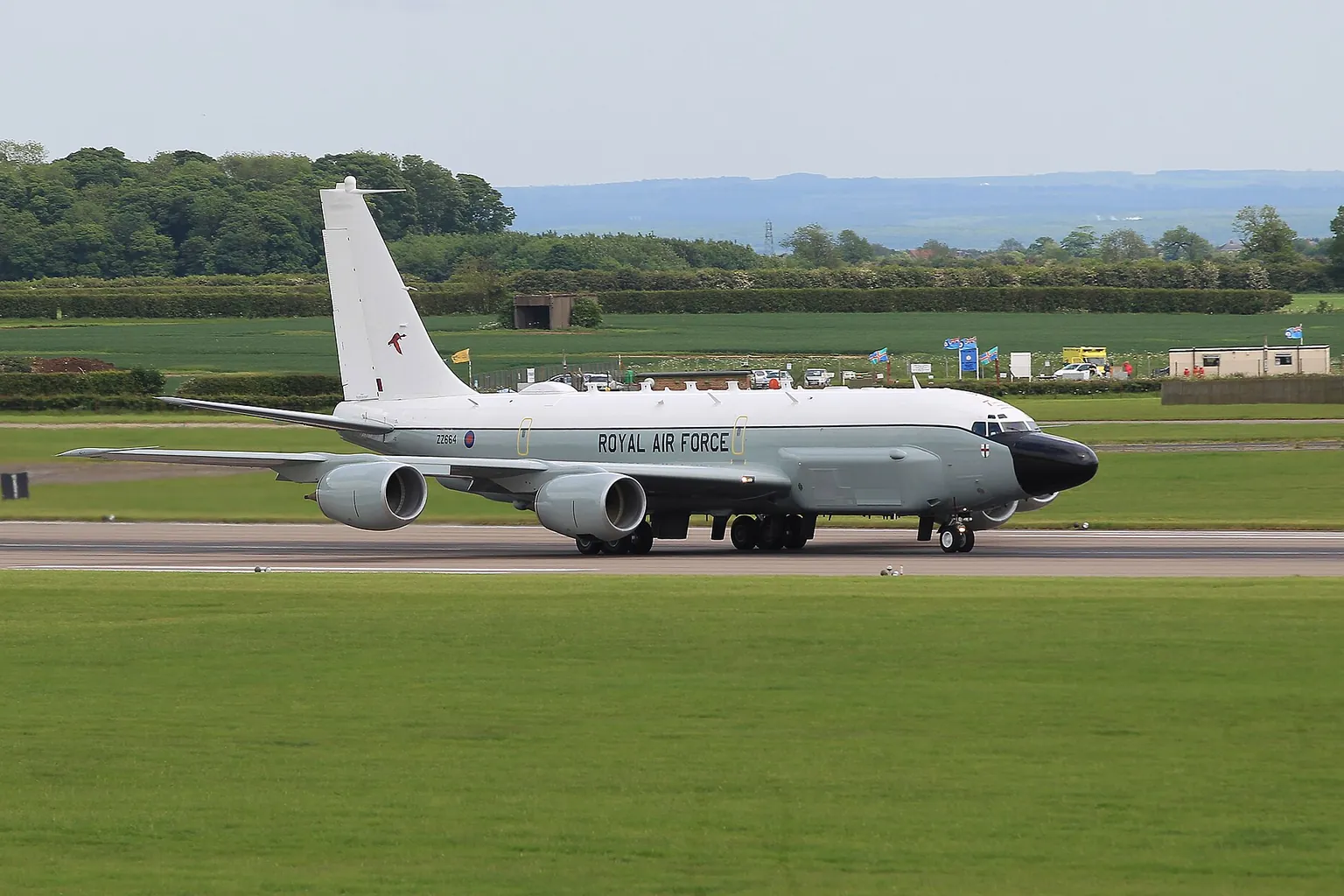
RAF Waddington plane spotting: the public viewing area
RAF Waddington plane spotting is done from the public viewing area and car park just off the airfield, which the station describes as open to the general public for safe aircraft…
-
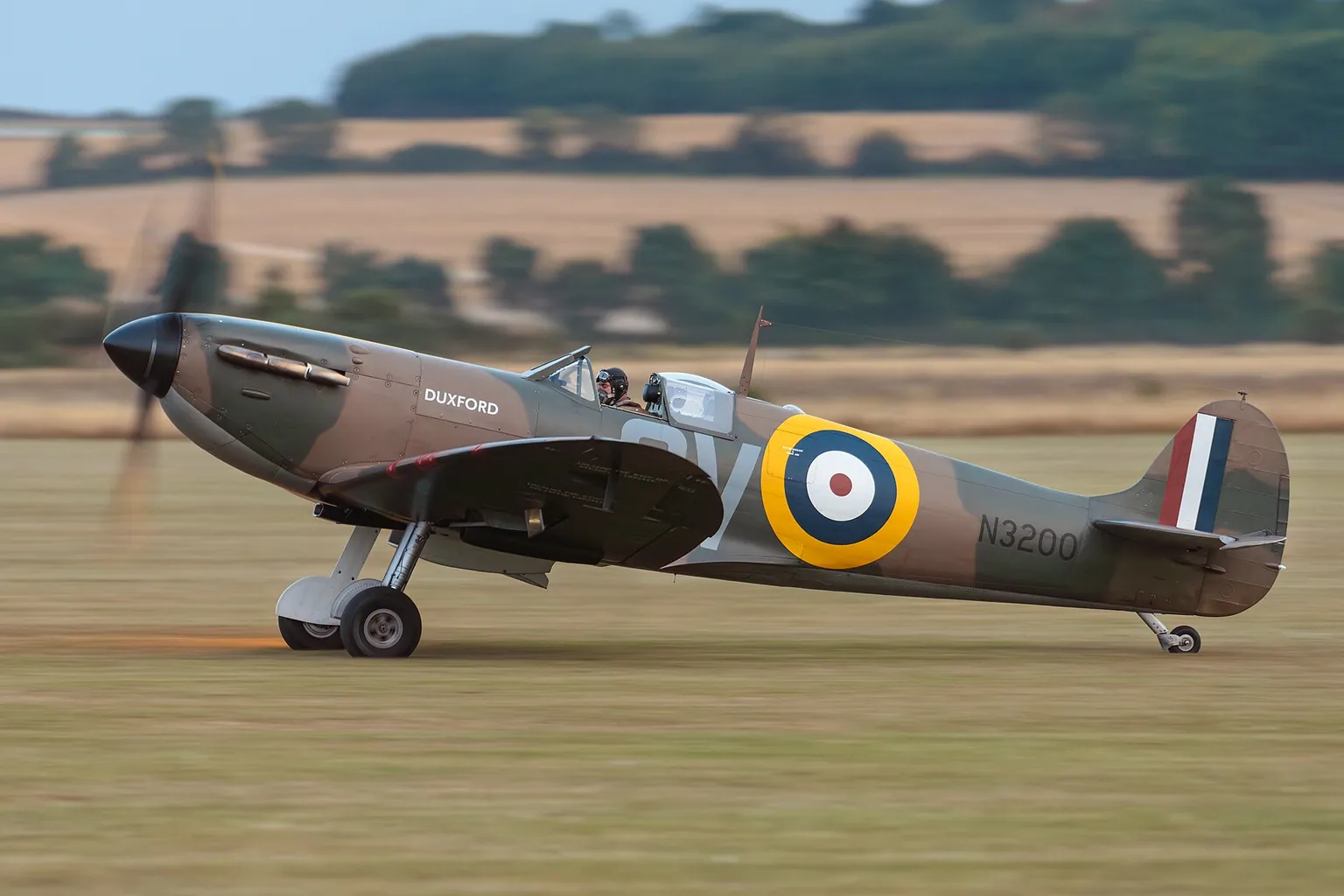
Where to see a Spitfire in the UK: museums and flying displays
Where to see a Spitfire in the UK: on display at IWM Duxford, the RAF Museum in London and at Cosford, the Spitfire and Hurricane Memorial Museum at Manston, Solent Sky in Southampton…
The gift
10 guides & references
-
Start here: The gift
Who it is for, and what lands. One page per recipient, each making only the argument that is its own.
-
Aviation gifts
Aviation gifts land when they show one aircraft that matters to the person: a photo of it, redrawn in one of five styles and seen free before you pay. No photo to hand? The code of their…
-
Gifts for plane lovers
Gifts for plane lovers start with the aircraft they love most, even one they have never flown in, from a photo of it. For plane enthusiasts and aviation lovers without a photo, an…
-

Aviation gifts for men
Aviation gifts for men work when they show his aircraft, not just any aircraft: the one he flies, spots or keeps talking about, from your photo. They suit a partner, dad, brother or…
-

Aviation Christmas gifts
Aviation Christmas gifts start with a favourite aircraft. Upload a photo of it and the aircraft print turns it into a blueprint, vintage poster, line drawing, watercolour or oil…
-
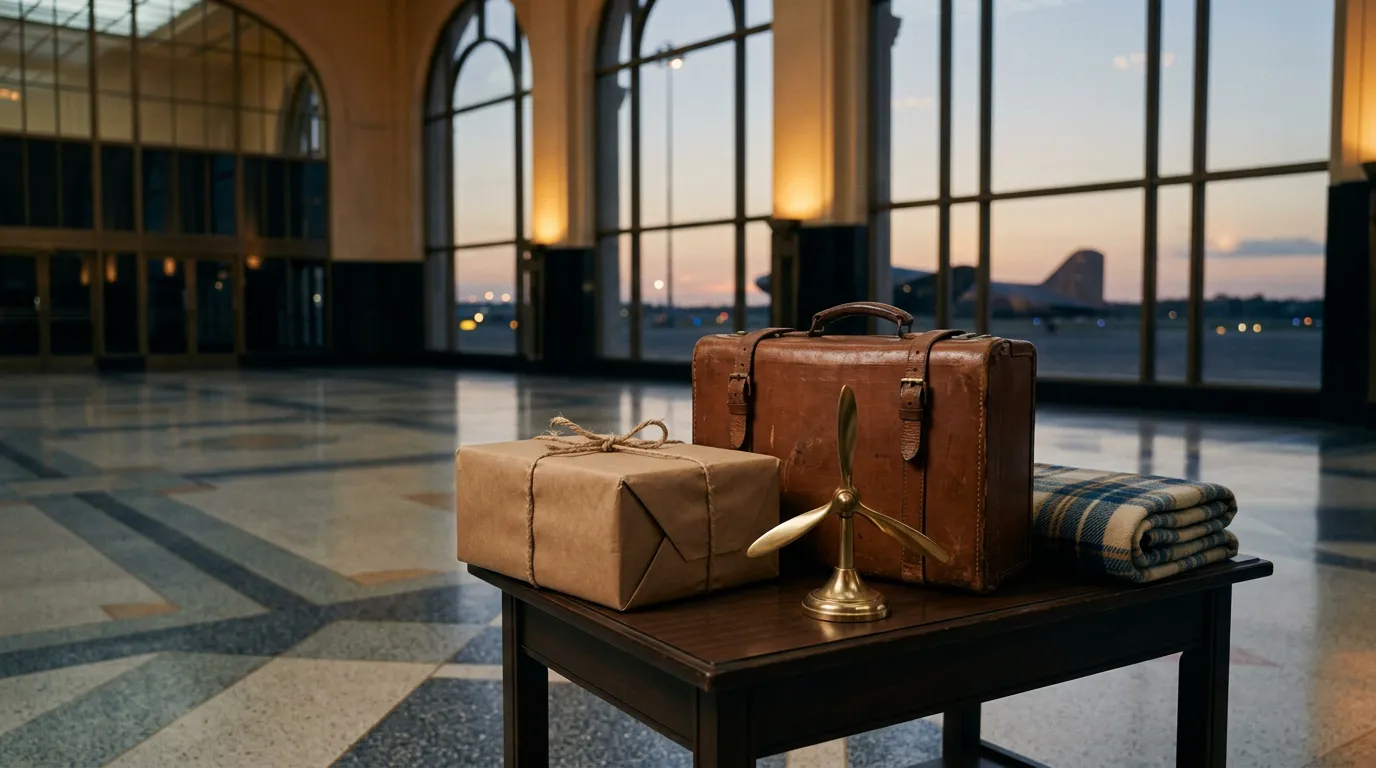
How to choose a gift that gets kept: aviation gift ideas
Start with their flying, photographs or favourite place, then compare the budget, occasion and whether they would enjoy a keepsake or an experience.
-
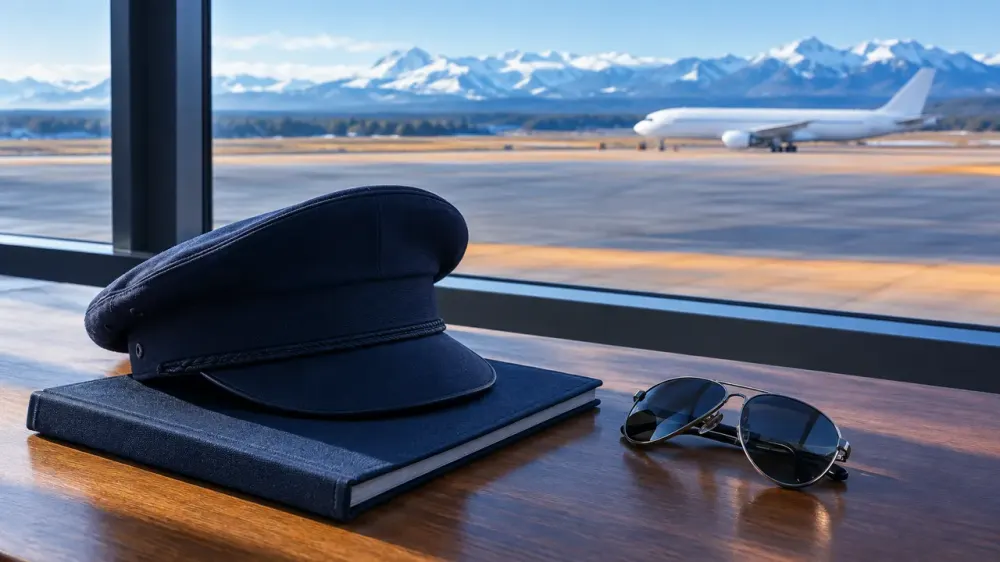
Pilot retirement gifts
For a pilot in commercial air transport, the end of a career is set partly by rule: a limit at 60 and another at 65. This page sets out what the rule says, then the gift for the last…
-
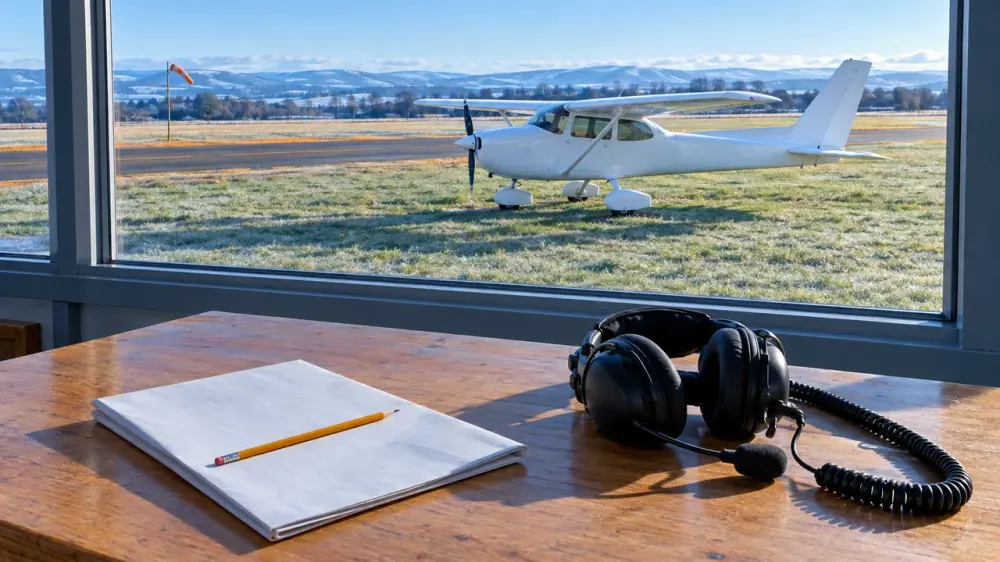
Gifts for student pilots, from first solo to licence
Gifts for student pilots land best on a training milestone: the first solo, the last theory exam, the skill test. Mark it with the aircraft they learn in. A photo of it goes into the…
-
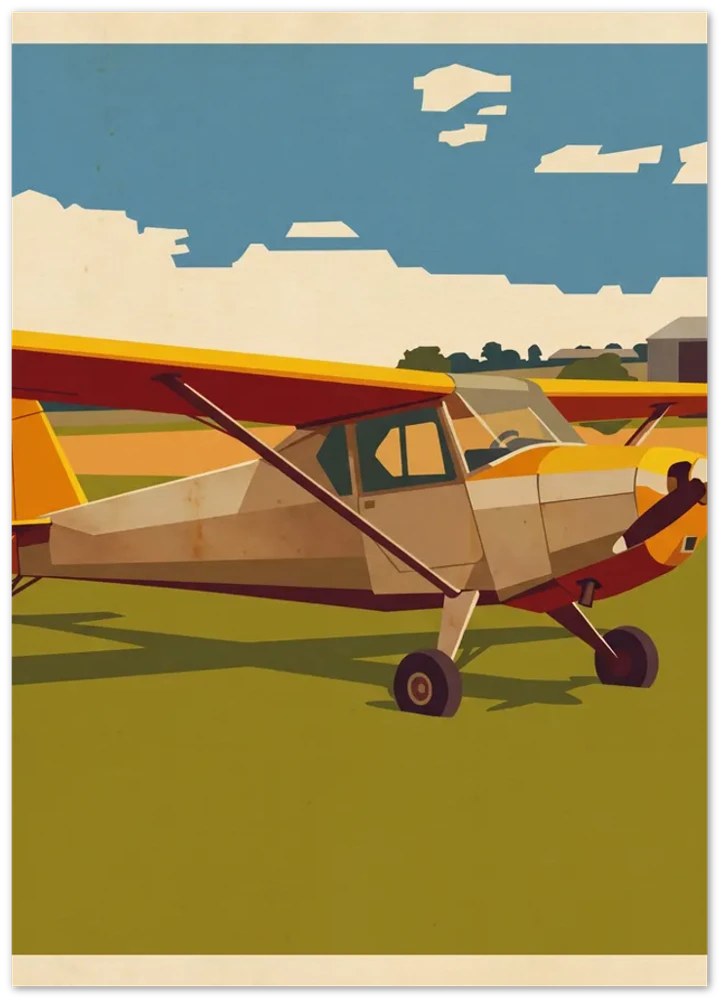
Spitfire gifts from your own photo of a Spitfire
Spitfire gifts here start from a real Spitfire: a photo you took at an airshow or a museum, or one you have permission to reproduce. The aircraft print redraws it in one of five styles…
-
Flight attendant gifts for cabin crew
Flight attendant gifts here start from their working life: the aircraft type they crew, from a photo they took, or the code of the airport they are based at. The aircraft print turns…
On the wall
1 guide or reference
More guides and references
2 guides & references
-
All aviation guides
Spotting locations and equipment, pilot training costs, aircraft photographs and personal gifts. Pick the question or decision you came here to answer.
-
Craig Fearn
I run The Aviation Gift Co., a UK business that sells personalised aviation gifts to order. Nothing is warehoused: a piece is printed after somebody buys it. The brand exists because…
Aviation guides
5 guides & references
-
Stansted airport code: STN and EGSS
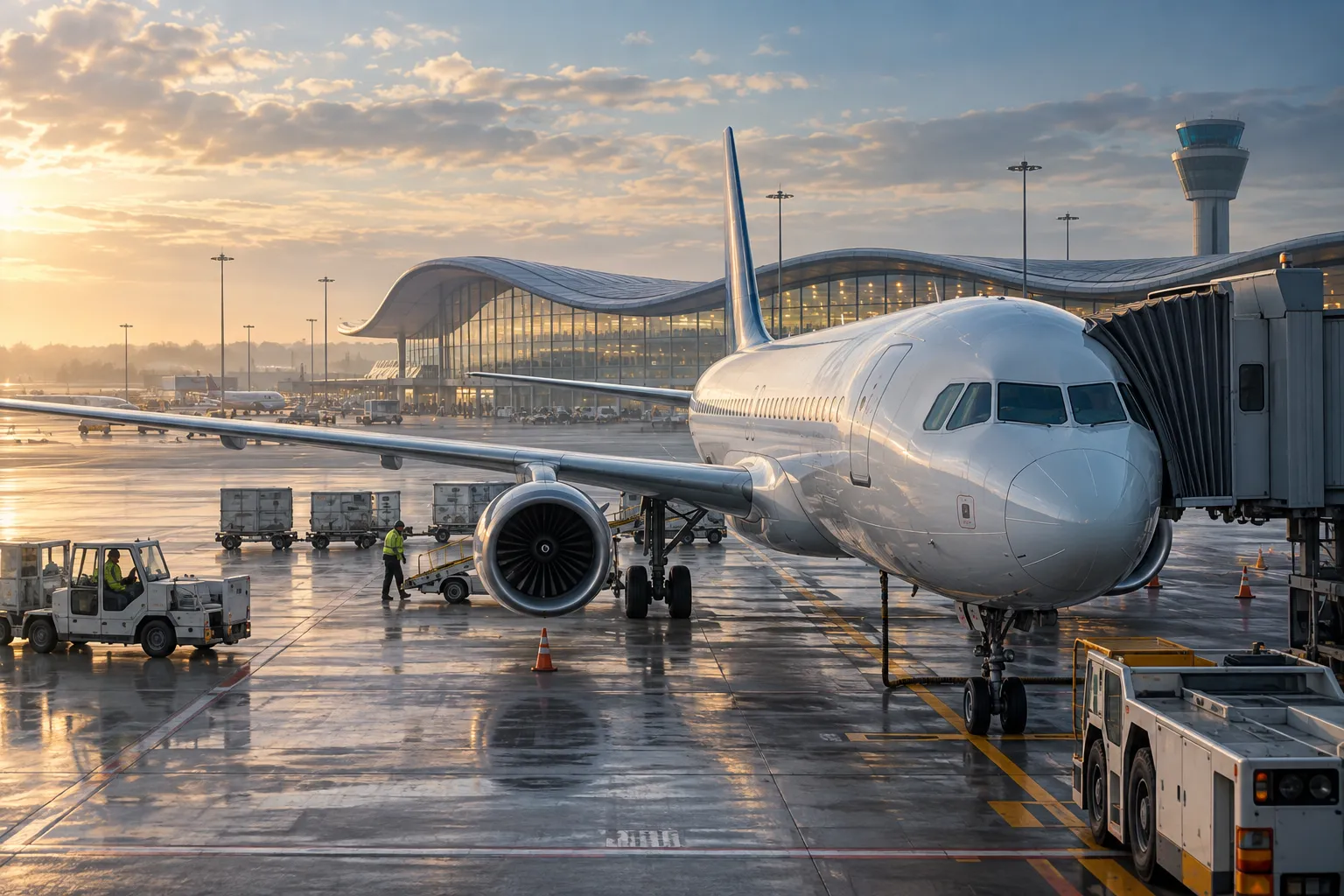
London Stansted uses STN for passenger-facing airport identification and EGSS as its ICAO identifier. Both identify the same airport; neither is the code for every London airport.
-
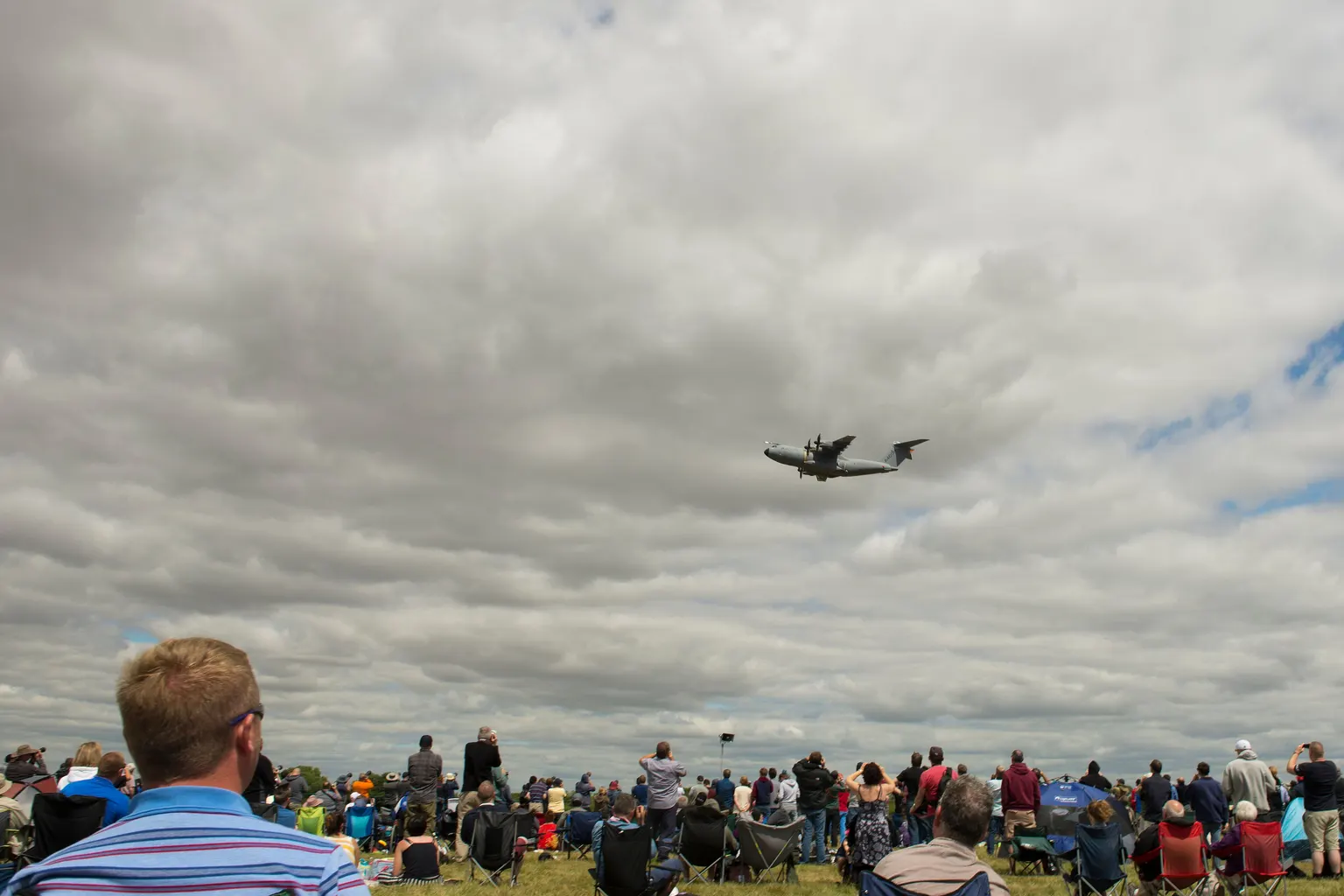
RAF Fairford plane spotting: access and Park & View
You can watch at RAF Fairford from the Royal International Air Tattoo’s Park & View, a ticketed event with east and west viewing enclosures; we have not established a public viewing area…
-
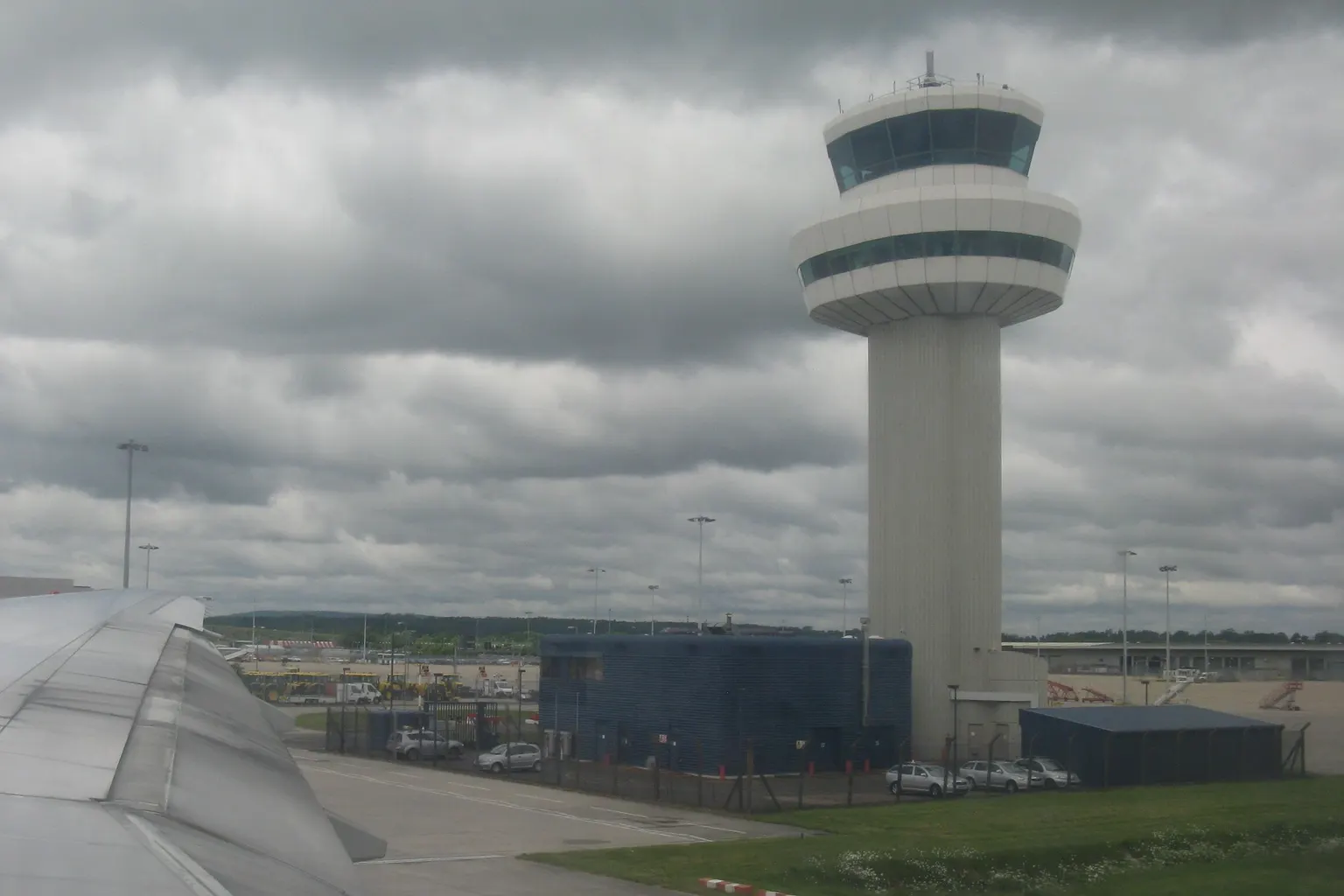
Plane spotting at Gatwick: what the airport provides
Gatwick says it has no dedicated plane viewing area. Passengers can have airfield views from some departure-side spaces, but that does not create a public spotting gallery for a visitor…
-
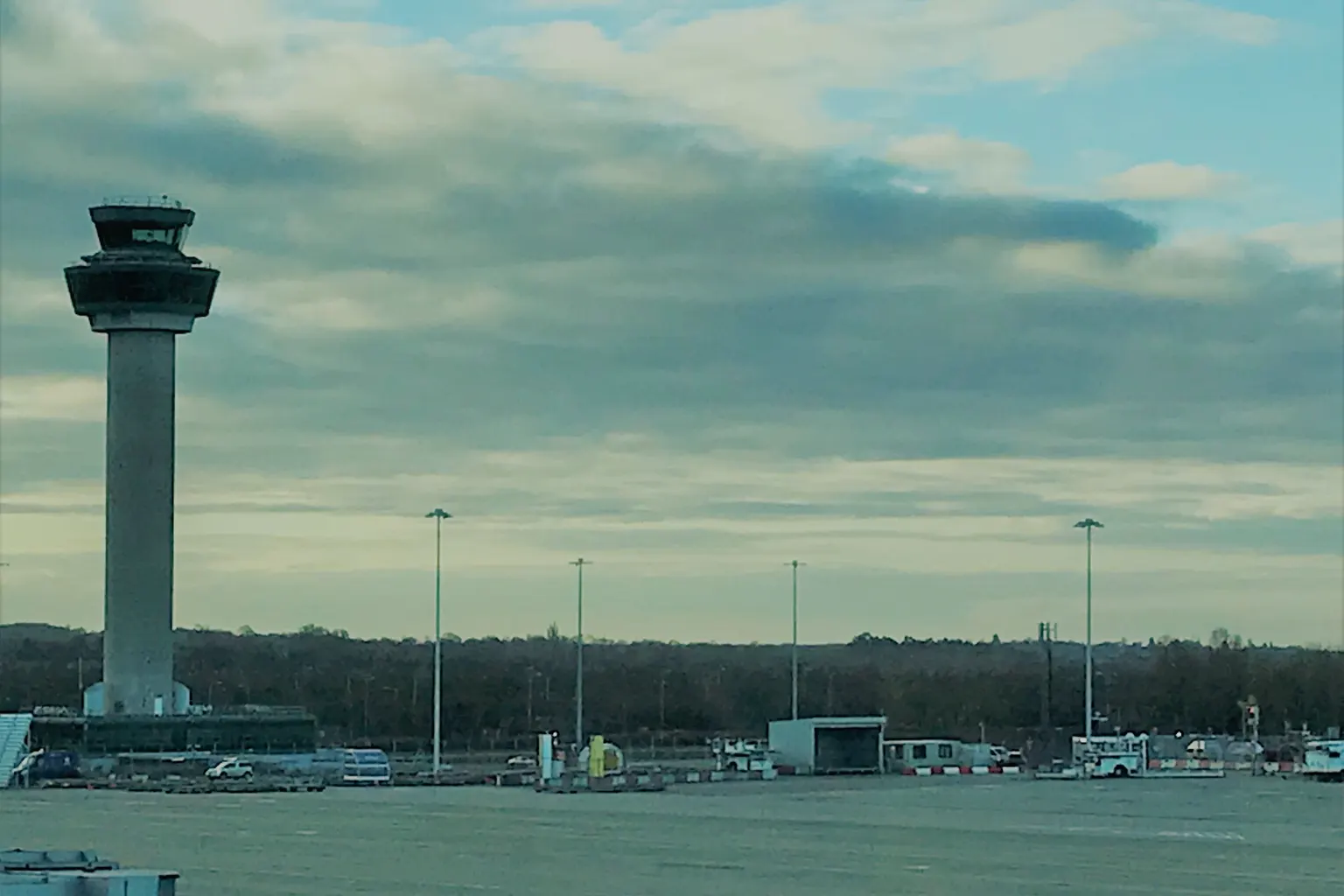
Plane spotting at Stansted: Plane Watch and Aerozone
Stansted has an enthusiast watch scheme and an education centre. Neither should be mistaken for unrestricted public access to airport land or a walk-in viewing gallery.
-
Private pilot licence cost in the UK: build a real budget
A UK private pilot licence costs thousands of pounds, and published prices vary by school: Fife Flight Centre estimates £17,000–£19,000 for its 50–55-hour scenario, excluding the…