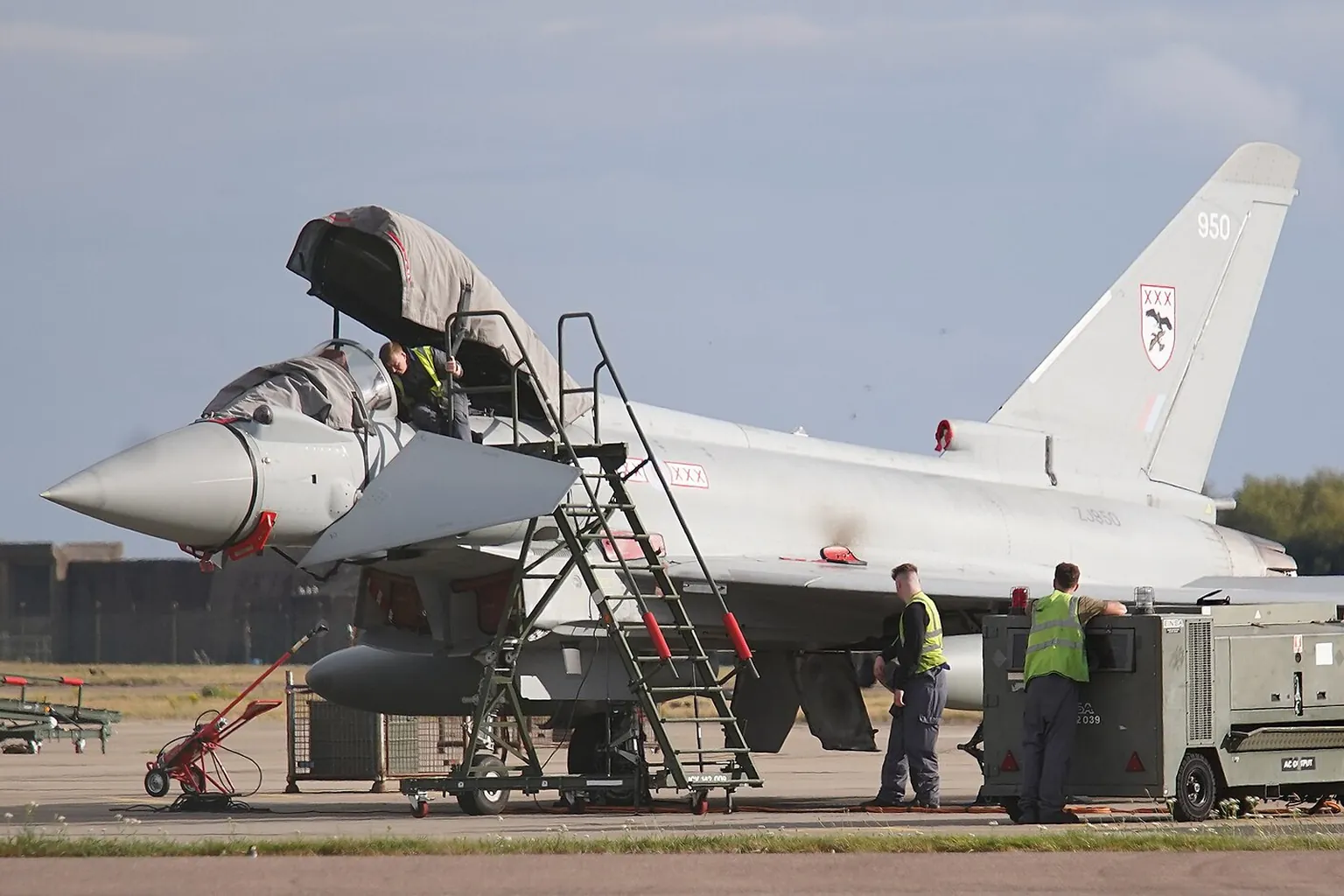
RAF Brize Norton plane spotting: where people watch from
RAF Brize Norton plane spotting happens from public roads, footpaths and village streets around the airfield, because the station says there are no official viewing areas near it. What you watch from there is the RAF’s tanker and transport fleet.
RAF Brize Norton plane spotting: where to watch
The station’s flying information page puts it plainly: “There are no official viewing areas in the vicinity of RAF Brize Norton.” Every place people use is public ground the RAF does not provide or manage. The spots below are commonly used by spotters and come from the Thunder and Lightnings viewing guide to Brize Norton, a long-running enthusiasts’ site last updated in April 2022. Treat its detail as a starting point, not a promise of what you will find on the day.
Alvescot churchyard and the field footpath
The guide describes parking outside the churchyard in Alvescot and walking a field footpath for side-on views of departures from Runway 26. It suggests a 400mm lens or longer, recommends wellies, and mentions cows in the field.
The old railway bridge near Carterton
The same guide describes the old railway bridge by the Viscount Court industrial estate as a raised view of Runway 26 arrivals, reached on foot. Parking inside the estate is no longer possible because of clamping, it says.
Brize Norton village
The guide calls the village the remaining legal parking on that side of the airfield, and warns against stopping by the Britannia Gate, which is now the exit used by repatriation corteges.
What flies from RAF Brize Norton
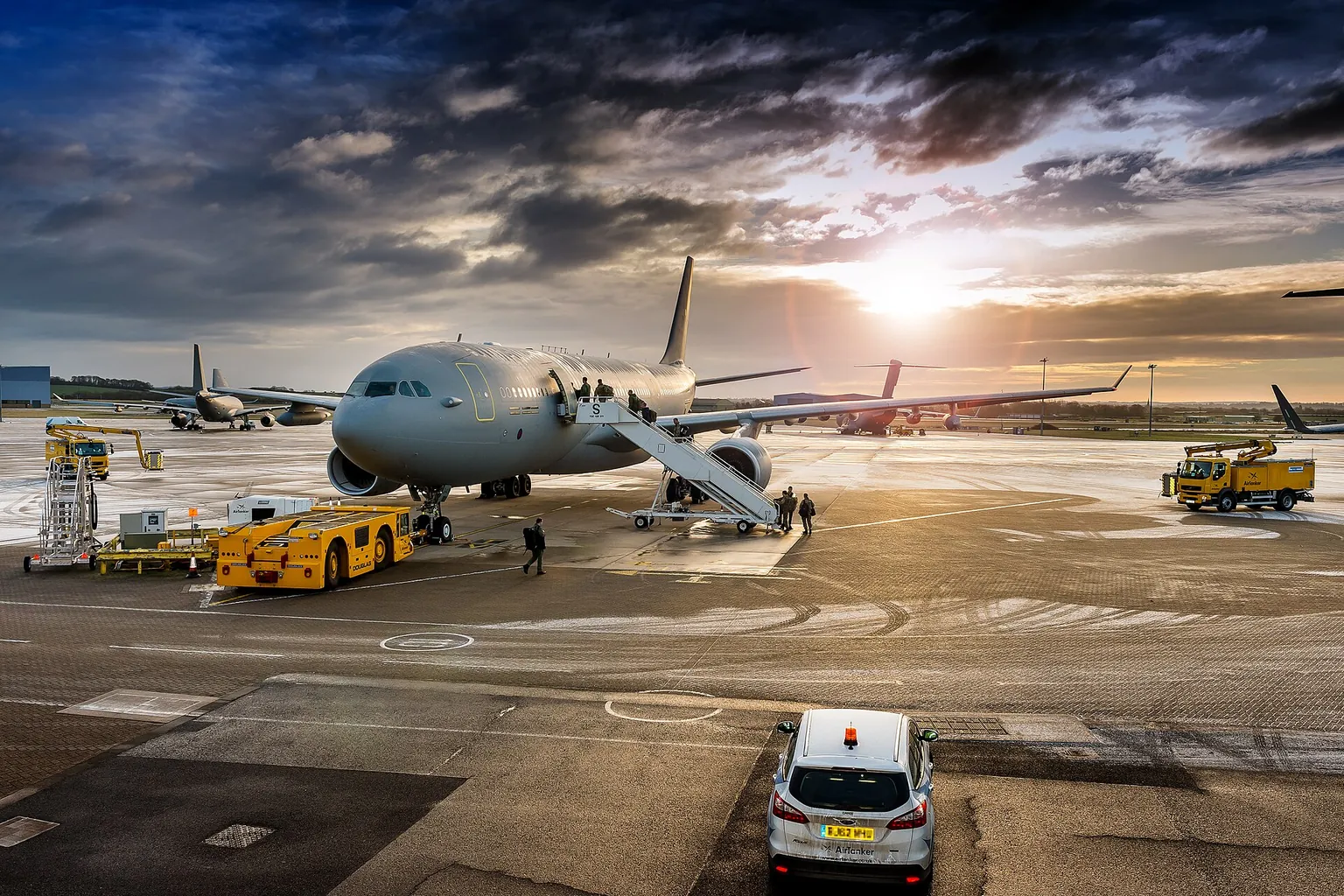
The RAF’s station page calls Brize Norton, in Oxfordshire, the largest RAF station. It lists three types: the Voyager KC2 and KC3 for air refuelling, and the C-17A Globemaster and A400M Atlas C1 for transport. The C-130J Hercules retired in 2023. The Falcons Parachute Display Team is based here as well.
Flying runs 24 hours a day, 365 days a year, by day and by night, according to the flying information page. The station publishes local training flying times there and updates them regularly, though it says it cannot always give notice of activity outside normal working hours. A blank afternoon is part of the hobby.
RAF Brize Norton viewing: what’s allowed
Keep to public land. Government guidance on public access to the defence estate says photography as a recreational activity continues, that public rights of way are unaffected, and that a local ban on photography may be shown by a sign or notice. If a sign says no photography, put the camera down, and do what the police or MOD Police ask of you.
Passengers using the station’s air terminal have a stricter rule. The passenger information page says taking photographs with cameras or phones is “strictly prohibited at all times on the airfield”.
Brize Norton is also where fallen service personnel are brought home. Oxfordshire County Council says the Repatriation Memorial Garden on Norton Way gives the public a focus for paying respects, that the date and time of a repatriation are only released 48 hours ahead, and that parking nearby is restricted to keep the roads clear. On those days the garden is for mourners, not spotting.
Getting to RAF Brize Norton and parking
The spotters’ guide places the station south of the A40, about 22 miles west of Oxford, reached by the B4477 towards Carterton. It warns against parking on the verges near the Runway 26 end, where bollards and earth went down in 2005, and says a garage near the main entrance in Carterton has petrol, a shop and a toilet.
The station page lists no airshow or public open day. For an organised event, the Air Tattoo at RAF Fairford has a guide of its own, and plane spotting in the UK covers the airports that publish a place to stand. The camera side is in the plane spotting photography guide.
When a Voyager or an Atlas finally comes over low enough to fill the frame, an aircraft print from your photo redraws that exact aircraft as artwork, and you see the preview free before paying.